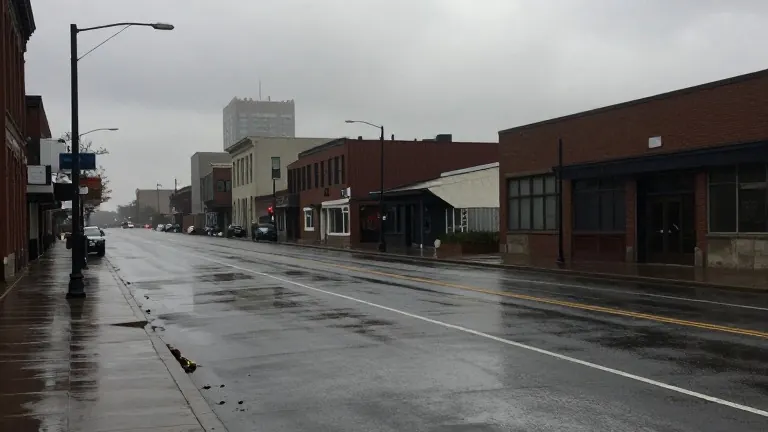
Kherson Truce Ends as Evacuation Completes and Strikes Resume
A week-long pause in fighting allowed 2,000 civilians to leave Oleshky, but aerial attacks on energy grids continue across Ukraine.
By Kavya Robinson ·
Civilians in southeastern Ukraine faced the end of a localized ceasefire on Sunday. This temporary pause marked the longest break in hostilities between Kyiv and Moscow since the start of the full-scale invasion four and a half years ago. The truce, which began Tuesday, is scheduled to conclude on Sunday evening. Its primary purpose was to facilitate the evacuation of residents from the front-line city of Oleshky.
The White House stated that U.S. First Lady Melania Trump helped broker the agreement. When the pause took hold, an estimated 2,000 civilians remained in Oleshky. They chose between moving to Ukrainian or Russian controlled territory or staying in the city with new supplies of food and medical care. By Saturday, the joint evacuation operation had concluded. Officials did not release the exact number of people who stayed to avoid compromising their safety.
At the Ukrainian border on Saturday, relatives gathered to see departing loved ones. Residents from nearby villages lined the highway, waving flags and flashlights to greet the humanitarian convoy. The scene contrasted with the wider conflict, where fighting continued outside the truce zone. President Volodymyr Zelenskyy reported that Russian forces kept targeting Ukraine's energy systems ahead of winter.
Zelenskyy said hundreds of thousands of families lost power overnight. He noted that Moscow was exploiting Ukraine's shortage of air defenses. "The intensity of the strikes is extremely high, and the Russians are trying to take maximum advantage of the shortage of ballistic missile interceptors," he wrote on social media. The Ukrainian air force reported that Russian forces launched 433 drones overnight. Ukrainian forces destroyed or suppressed 371 of them.
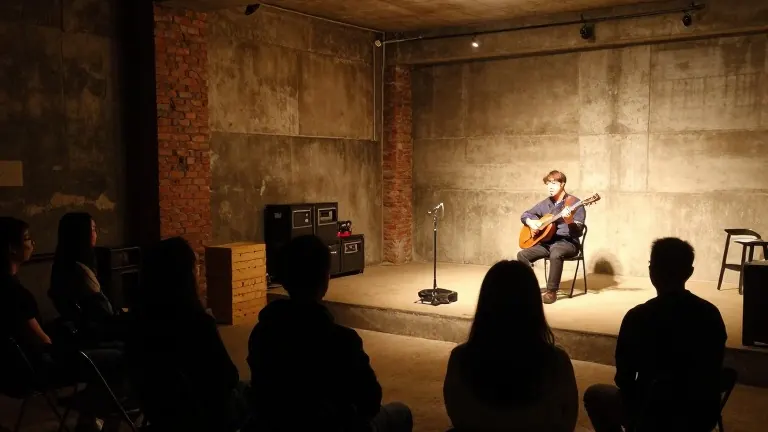
In Kherson, residents maintained a calm demeanor despite the approaching end of the quiet. Oleksandr Knyha, head of the Mykola Kulish Kherson Regional Academic Music and Drama Theater, opened a concert by urging the audience to hold on. The theater, which performs every weekend, plans to continue its schedule even as local officials warn of increased Russian military presence. Knyha stated that the company has never canceled a performance in four years.
The theater now operates from a basement while equipping an additional bomb shelter. About 100 of its 120 staff members remain in Kherson. Costume maker Alla Vasylenko, 58, said the silence of the truce still frightened her. She expressed skepticism that the situation would improve. "Believing the Russians means not believing yourself," Vasylenko said. She remained in the city because she had ten dogs and lacked the funds for travel, which would cost between 30,000 and 50,000 hryvnias.
Drone attacks continued on both sides of the border. Russian drones wounded a woman and damaged homes and energy infrastructure in the Kyiv region. In Russia, more than 100 Ukrainian drones were shot down over Nizhny Novgorod region. Governor Gleb Nikitin reported an industrial building in Kstovo sustained damage. Russian media later showed smoke rising from the Kstovo oil refinery. Zelenskyy said Kyiv had also struck a missile component factory and air defense facilities in Russia's Rostov region.
On the final day of the truce, the Kherson theater staged a concert featuring a musical map of Ukraine. The program included songs from Crimea to the Carpathian mountains. Knyha said the goal was to unite people and offer hope. Many residents in Kherson, a city that endured Russian occupation, cited that belief as the reason they stayed.
Source: WRTV