1,600 tons of pumpkins rescued from landfills
Organizers in Illinois report that their annual pumpkin smash events have diverted 1,600 tons of organic waste since 2014, preventing methane emissions.
By Arjun Wojcik ·
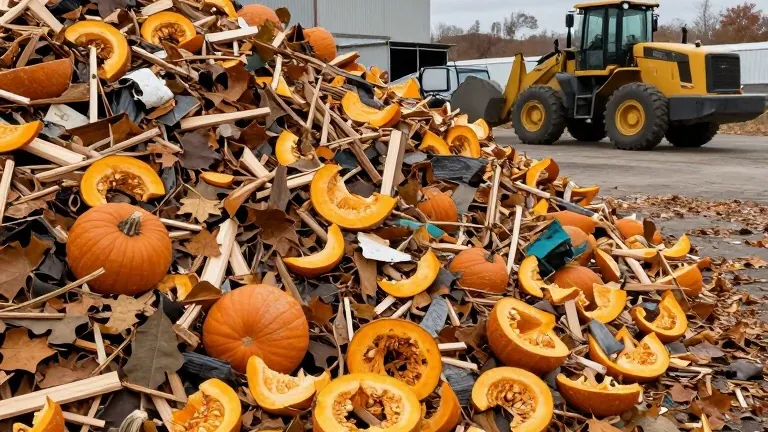
Organizers in Illinois have diverted 1,600 tons of pumpkins from landfills since 2014. This volume of organic waste represents the material that would otherwise decompose without oxygen, releasing potent greenhouse gases.
The campaign began in 2014 when Scarce and the University of Illinois Extension launched their first event. Since that start date, the two organizations have coordinated annual pumpkin smash gatherings. These events allow residents to drop off carved jack-o-lanterns and whole pumpkins for composting. The 1,600-ton figure reflects the cumulative weight of fruit saved over the past twelve years.
In 2026, the seasonal disposal window remains short. Kay McKeen, executive director at the environmental education non-profit Scarce, notes that most pumpkins enter the waste stream between Halloween and the day after Thanksgiving. This concentrated influx creates a sudden spike in landfill activity. McKeen describes the event as a huge burst of methane gas entering the system all at once.
The chemical process behind the emissions is anaerobic decomposition. When pumpkins are buried in landfills, the lack of oxygen prevents aerobic breakdown. Instead, the rotting fruit produces methane. Over a 20 year period, methane traps heat in the atmosphere at a rate 80 times higher than carbon dioxide. The fruit also contains high water content. When this liquid mixes with other waste, it forms leachate, a toxic sludge that can pollute surrounding environments.
Chris Enroth, a horticulture educator with the University of Illinois Extension, emphasizes the scale of the problem. He notes that millions of people purchase multiple pumpkins each autumn. This behavior results in hundreds of millions of individual fruits requiring disposal. The volume of organic material entering the landfill system is massive compared to other seasonal waste streams.
Composting offers an alternative to the landfill model. Enroth explains that composting introduces water and oxygen to the decomposition process. Microbes, bacteria, and fungi then break down the organic matter aerobically. This method prevents methane production. The resulting material becomes nutrient-rich organic matter suitable for gardens.
Residents have several options for disposal. Those with curbside compost bins or apartment building collection points can place pumpkins there. Others can seek out local drop-off sites. Some communities host dedicated events for pumpkin disposal. The University of Illinois Extension and Scarce continue to organize these specific drop-off days annually.
Experts advise against leaving pumpkins in public spaces for wildlife. While pumpkins are generally safe for many animals, small species such as hedgehogs can become sick. Large groups of animals gathering around discarded fruit can increase the risk of disease transmission. The presence of food waste also attracts predators to residential areas.
The issue extends beyond pumpkins. Food is the single most common material sent to landfills in the United States. Wasted food accounts for 58% of landfill methane emissions. Enroth suggests that autumn is an ideal time for residents to start home composting piles. Leaves and grass clippings provide the necessary base material. Adding a pumpkin to this mix creates a balanced combination of materials. This process yields usable compost for the following year.
Source: Time