Herzog urges coalition flexibility as Arab parties expected to recommend Eisenkot
The Joint List and Ra'am are expected to recommend Gadi Eisenkot for prime minister as President Isaac Herzog prepares consultations and urges leaders to avoid another election.
By Liam Kaminski ·
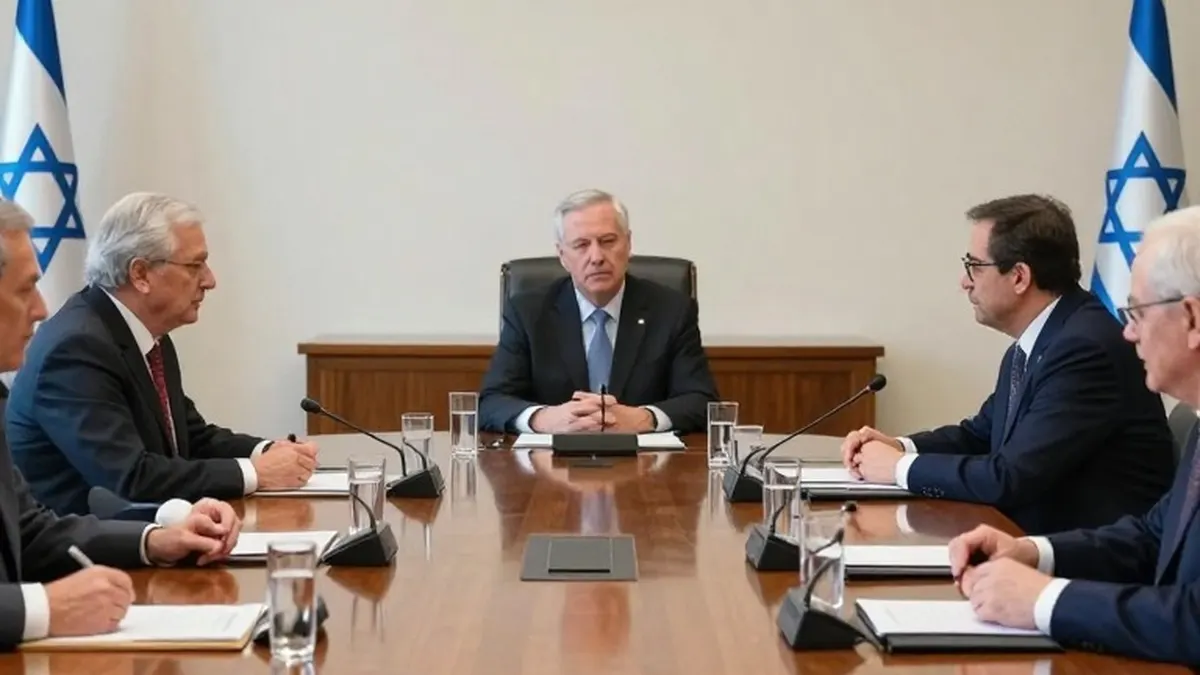
President Isaac Herzog urged Israel's political leaders on Sunday, November 1, to accept the election outcome and approach coalition negotiations with flexibility, warning that entrenched positions could lead to another election. His appeal came as a senior Joint List official told Walla that the Joint List and Ra'am were expected to recommend Gadi Eisenkot for prime minister.
Speaking at the state memorial ceremony for Israel's first president, Chaim Weizmann, Herzog outlined the next steps toward consultations with the parties. He said he would formally receive the election results on Wednesday from Justice Noam Sohlberg, who chairs the Central Elections Committee and serves as deputy president of the Supreme Court.
After receiving those results, Herzog said, he would begin consultations at the President's Residence. He stressed that every faction and party would be welcome to participate in the discussions. The planned meetings would give political representatives an opportunity to present their positions as efforts to reach agreements move beyond the election campaign.
The expected recommendations for Eisenkot were reported by the senior Joint List official ahead of those consultations. The official's comments to Walla concerned both the Joint List and Ra'am, indicating whom they were expected to recommend to Herzog when the president meets with the political factions.
Herzog's remarks focused on the willingness of leaders to hear competing proposals and work toward agreements. He urged representatives to arrive ready both to express their own views and to listen to others, describing openness and cooperation as necessary to the search for ways to prevent another round of voting.
The president also drew a distinction between campaign behavior and the decisions facing leaders after the vote. Candidates, he said, naturally adopt elevated positions during an election contest. With the campaign finished, however, he argued that leaders needed to recognize the results as the reality from which negotiations must proceed.
Using the image of leaders climbing to high positions, Herzog described the President's Residence as a place that would help them find a careful way down. His message was a call for measured adjustments and creative proposals during the coming discussions, with the aim of reaching agreements that could avert a further election.
Source: The Jerusalem Post