
Researchers Link Higher Driving Volumes to Increased Traffic Deaths
New data suggests that reducing total miles driven is a more effective strategy for saving lives than targeting specific risky behaviors, a perspective often absent from government safety discussions.
By Liam Kaminski ·
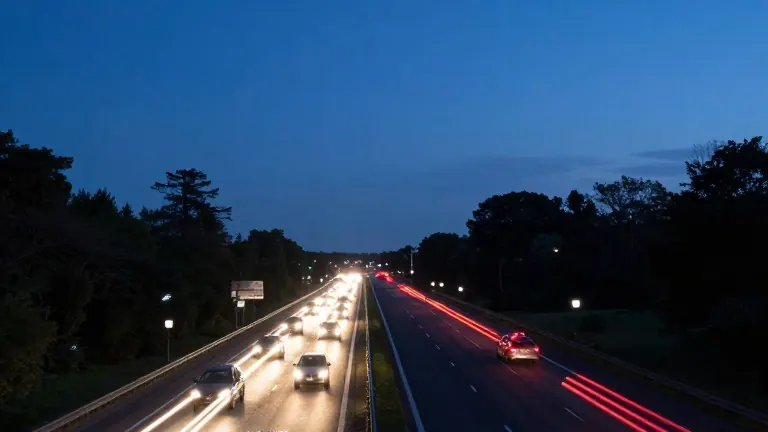
New research indicates that the total amount of driving a population undertakes is a primary driver of traffic fatalities. The findings suggest that when per capita vehicle miles increase, the number of crashes rises proportionally. This direct correlation implies that reducing the overall volume of cars on the road is a fundamental method for improving road safety.
The study authors point out that this relationship is frequently omitted from public discussions by highway departments and the Department of Transportation. Instead, these agencies often concentrate their efforts on specific outlier behaviors. Drunk driving is a common example of a targeted behavior that officials prefer to address. The research argues that this focus distracts from the structural reality that more cars and mandatory driving lead to more collisions.
The authors state that treating driving as a requirement rather than an option contributes to higher death rates. They contend that safety policies should acknowledge the volume of traffic as a core variable. This perspective challenges the current administrative approach, which isolates individual driver errors from the broader statistical reality of increased vehicle usage.
In Chicago, the Illinois state government reorganized area transit into the North Central Illinois Transit Authority, or NITA. This new agency has gained the power to facilitate transit oriented development. NITA can now buy land near stations and offer financing for projects in those areas. The agency also has the authority to issue debt for development if local municipalities provide consent.
Despite these new powers, NITA is expected to start with properties it already owns. The agency is currently building up its staff capacity. This phased approach allows the organization to manage its new responsibilities before fully utilizing its ability to issue debt and purchase new land for development around station areas.
Separate research examined the impact of ride hailing services on travel patterns in Chicago. Researchers used travel survey data from 2008 and 2018 to analyze household trip distances. The study found that trip distances to certain non-work destinations fell by two miles after ride hailing was introduced. The specific cohort studied also showed a reduction in car ownership.
Ohio Senator Bernie Moreno proposed a bill targeting economic development subsidies. The legislation would tax data centers 100 percent of the subsidies they receive from state and local tax breaks. This measure would effectively end the practice of providing financial incentives to data centers. Analysts suggest this solution could apply to other corporate subsidies used to attract businesses and sports teams.
In Texas, bat populations can reach 20 million after their spring migration from Mexico. Many of these animals live in caves and underpasses in central Texas. At dusk, they leave their homes to search for food. Their movement creates large masses that appear on Doppler radar, sometimes resembling thunderstorms. These movements reveal migration corridors that are often invisible to standard weather monitoring systems.
Source: Urban Milwaukee