U.S. Border Agents Search 52,080 Traveler Devices in Nine Months
CBP data shows a 32 percent jump in digital device inspections from October 2025 to June 2026, approaching the all-time high set last year.
By Liam Kaminski ·
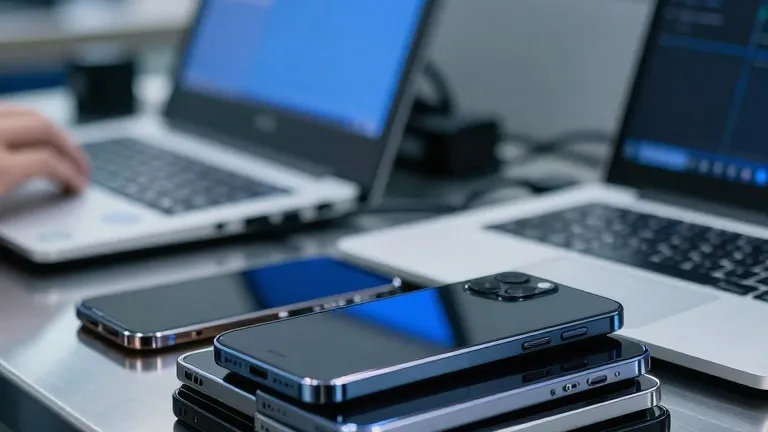
U.S. Customs and Border Protection officers conducted 52,080 searches of travelers' electronic devices between October 1, 2025, and June 30, 2026. This figure represents a more than 32 percent increase over the same nine-month period in the previous fiscal year, when 39,251 devices were inspected.
The data, obtained by CBC News, indicates that current inspection rates are nearing the record set in fiscal 2025, which totaled 55,424 searches. Of the 2026 inspections, 47,517 were classified as basic searches that officers can perform without specific suspicion of wrongdoing. The remaining 4,564 were advanced searches, which allow agents to analyze or copy device contents when reasonable suspicion of unlawful activity or national security concerns exists.
The agency did not specify how many searches occurred at the Canadian border versus the Mexican border, nor did it break down figures by airport versus land crossing. CBP also withheld data on the total number of travelers entering the country and the breakdown between citizens and non-citizens, details typically included in annual reports. Public affairs officer Jessica Turner stated that in 2025, device searches affected only 0.01 percent of the 419 million travelers who entered the country. She noted that the agency aims to detect digital contraband, terrorism-related content, and information relevant to admissibility.
Esha Bhandari, director of the American Civil Liberties Union's Speech, Privacy and Technology Project, called for greater congressional oversight. She stated that it is difficult to determine the cause of the rise because the government has not provided an explanation. Bhandari argued that the government tends to use its search powers to the detriment of traveler privacy, noting that her organization receives troubling accounts of travelers being questioned about political opinions and religious practices.
In January, CBP updated its guidelines to explicitly include flash drives, SIM cards, GPS systems, unmanned aircraft, and smartwatches in its definition of searchable devices. The update also added the smuggling of narcotics and firearms, as well as transnational theft of proprietary information, to the list of target crimes. Bhandari described these changes as marginal procedural shifts and suggested the increase in searches may reflect technological advances and the failure of federal courts to limit government authority.
Laura Dawson, executive director of the Future Borders Coalition, said the increase is difficult to assess without knowing the volume of crossings and specific locations. She pointed to the summer World Cup and increased cooperation between Canadian and U.S. border services on issues like human smuggling as potential factors. Dawson maintained that device searches remain rare, estimating that one in 9,000 crossings leads to a U.S. inspection. She noted that Canadian officials have searched a smaller share of devices than their U.S. counterparts in recent years, with the Canada Border Services Agency's 2026 statistics not yet available.
Source: CBC News