Protesters Force State Commission Demand Ahead of Israeli Election
Five thousand Israelis gathered in Tel Aviv to challenge the government's offer of a political inquiry, three days before a pivotal general vote.
By Arjun Wojcik ·
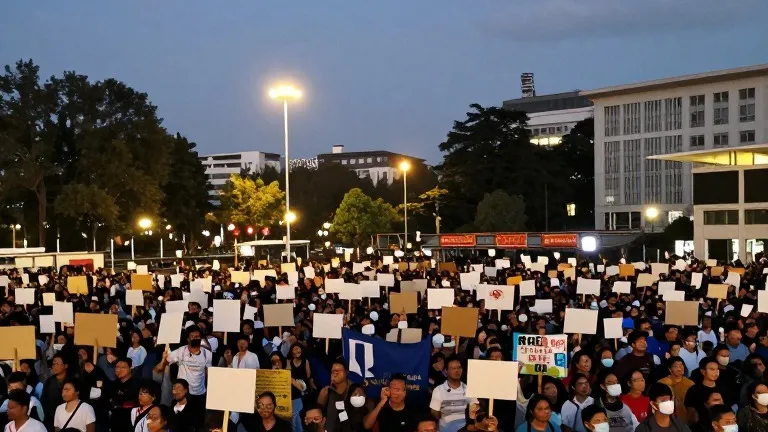
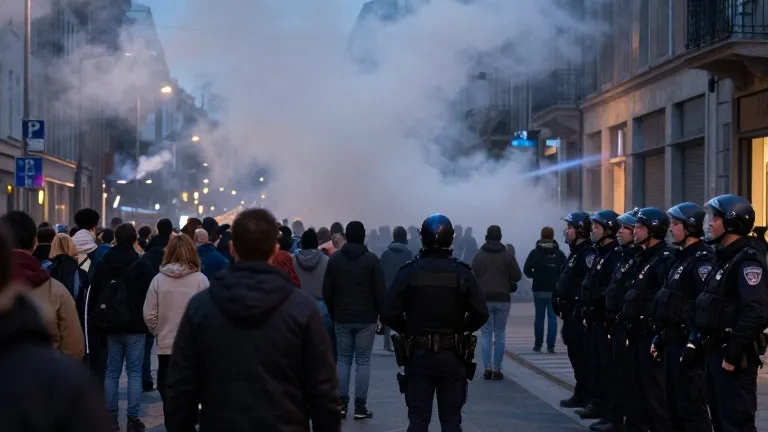
Five thousand Israelis gathered in Tel Aviv's Hostages Square on Saturday to demand an independent state commission of inquiry into the security failures that preceded the October 7, 2023 attacks. The rally, organized by the October Council, occurred three days before the nation's first general election since the war in Gaza began. The group, founded by families of captives, seeks to hold officials accountable for the Hamas attack that triggered the conflict.
The October Council described the event as the culmination of three years of struggle to uncover the truth. The group stated on social media that they intended to demand accountability and establish a state commission. While the council has been pushing for this specific type of investigation for years, Prime Minister Benjamin Netanyahu's coalition government has refused the request. Instead, the ruling bloc has offered a political commission where half the members would be appointed by the government and the rest by opposition legislators.
Opposition leaders criticized the government's proposal, arguing that a commission appointed by politicians would lack independence. They have stated they would boycott such a body. This stance highlights the central conflict in the upcoming election: whether the next government will commit to an independent probe or settle for a politically managed inquiry. The dispute has drawn together rival political figures and families of victims in a shared demand for transparency.
Leading opposition figures joined the demonstration in Tel Aviv. Gadi Eisenkot of the Yashar party, Netanyahu's main center-right rival, attended the rally. According to The Times of Israel, Eisenkot was greeted by chants of "Who's coming? The next prime minister." Yair Golan, leader of the Democrats, also participated. Dan Adin, a lawyer and citizen, posted on X about the large crowds flowing from Rabin Square to Hostages Square, describing the atmosphere as full of energy and ownership for the opposition.
Antigovernment demonstrations took place in other parts of Israel as well, according to the Haaretz newspaper. Before the rally, the October Council warned law enforcement about potential provocations from pro-government agitators. The group sent an urgent letter to the Police Commissioner regarding attempts by entities linked to the coalition to disrupt the event. This precaution reflects the heightened tensions surrounding the pre-election period.
Polls indicate a tight race for Tuesday's vote. Netanyahu's right-wing bloc, in power since late 2022, is projected to run neck and neck with Eisenkot's coalition. Neither bloc is currently expected to secure a majority of seats in parliament. The outcome of the election is expected to influence foreign policy decisions, particularly regarding potential strikes on Iran. Eisenkot is believed to be less inclined to resume military action against Tehran compared to the current leadership.
Despite differences on Iran, leading Israeli parties remain united on most other foreign policy issues, including opposition to an independent Palestinian state. The election will determine which bloc forms the next government and whether it will honor the demand for a state commission of inquiry. The protest in Tel Aviv served as a final public test of the opposition's mobilization capabilities before voters head to the polls.
Source: Al Jazeera