Hebron Mayor Declares Emergency After 2,200 Residents Evicted
Israeli forces sealed the West Bank city on Saturday following a checkpoint attack that killed two soldiers, displacing families from over 490 homes.
By Liam Kaminski ·
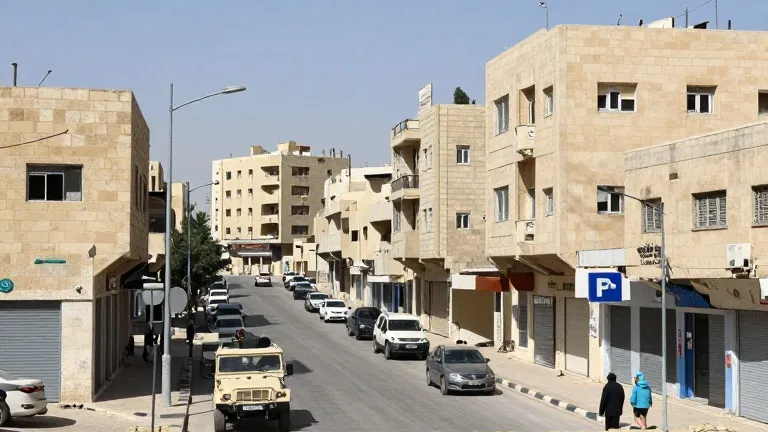
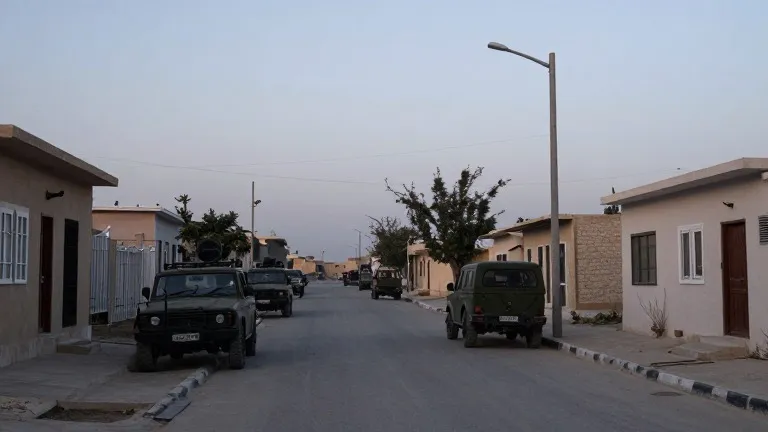
Mayor Yousef Jaabari declared a state of emergency in Hebron on Saturday evening after Israeli forces closed every entrance to the city and displaced approximately 2,200 residents. He described the situation as a disaster zone where no one can enter or leave, labeling the measures as collective punishment.
The crackdown followed a shooting incident early Friday near the Farsh al-Hawa checkpoint west of the city. Two suspected Palestinians fired on Israeli troops, killing two soldiers and wounding three others. In response, forces moved quickly to secure the area, implementing the strictest closure in recent memory.
Evictions focused on the Deir Bahala, al-Jalda, and neighboring districts. These areas cover roughly 330 dunams and contain more than 490 housing units. Residents, including elderly people, women, and children, were given five minutes to leave their homes. The Palestinian Information Centre reported that at least 40 people were detained and several businesses and residential buildings were demolished during the operation.
Social media videos captured Palestinian truck drivers racing to haul goods out of factories before military demolition crews arrived. The local municipality has since taken control of the displacement effort, establishing a crisis hotline and coordinating temporary shelter for the displaced families. Jaabari stated that the administration is now monitoring every detail to meet the immediate needs of the affected population.
The conflict also extended to the Ibrahimi Mosque, a site administered by Palestinians for over 1,400 years. The Palestinian Ministry of Awqaf and Religious Affairs confirmed that Israeli forces shut the mosque, removed its staff, and banned the call to prayer. The site is a designated Unesco World Heritage location and holds holy status in Islam, Judaism, and Christianity.
In recent months, Israel has expanded its control over the mosque by barring some Muslim worshippers and facilitating settler access. Jaabari questioned the timing of the current measures, accusing far-right ministers of using the city and its residents as free election publicity. He noted that several ministers are contesting elections in the coming days.
Source: Middle East Eye