Menú del Día: The Cost of Spain's Midday Ritual
With average prices reaching 14.70 euros and daily servings falling, the fixed-price lunch faces structural challenges from rising costs and shifting routines.
By Liam Kaminski ·
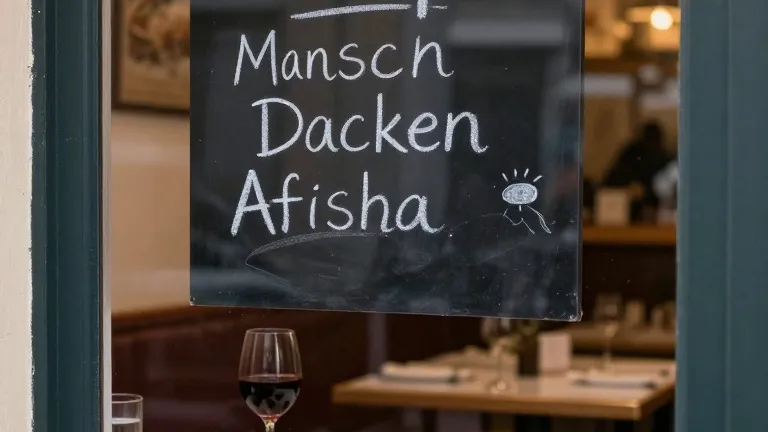
The daily set lunch in Spain, a staple of working life for decades, is facing a dual squeeze from rising costs and changing habits. The average price for the menú del día has reached 14.70 euros, while the number of daily servings has declined. This economic and cultural shift threatens a meal structure that once provided an affordable, fixed-price option for millions of workers across the country.
The origins of the menu lie in the mid-1960s, when Manuel Fraga, the information and tourism minister under dictator Francisco Franco, introduced it to showcase Spanish food to foreign visitors. Following the post-war 'years of hunger,' the regime mandated that restaurants offer a soup starter, a main dish of egg, fish, or meat with a side, and a fruit-based pudding. Prices were legally fixed between 50 and 250 pesetas, and the accompanying quarter-litre of wine had to be a pure Spanish red or white with at least 12% alcohol.
In the early 1970s, the offering was renamed to distance it from its tourist-focused roots and to encourage local consumption. Today, the menu is so embedded in daily life that many Spaniards are unaware of its official origin. Lakshmi Aguirre, a food journalist, noted that many people expressed shock upon learning the connection to Fraga. 'It says a lot about us Spaniards; we forget very quickly,' Aguirre said, describing the menu as a reflection of the country's social evolution.
The tradition began to erode significantly after 2009, when chef Ferran Adrià declared the menu dead. He cited changing eating habits, economic downturns, and the rise of bistro-style restaurants charging between 20 and 30 euros for similar components. Seventeen years later, while the menu persists, its popularity is waning. Approximately 4 million of these meals are still served on each weekday, but the habit is losing ground as fewer diners opt for the traditional sit-down format.
Current pressures on the tradition include rising energy and food costs, which strain small, family-run restaurants. Many establishments are moving away from rotating daily choices, instead offering a single 'dish of the day' or incorporating Latin American staples to reflect Spain's changing demographics. Some diners are skipping the restaurant entirely, opting to bring food from home or heat up supermarket ready meals to save time and money.
Aguirre, who authored a book tracing the menu's history, argues that the institution is in trouble but not finished. She believes the menu has always mirrored the society that consumes it, and that nostalgia is growing as people realize its presence is fading. For her, the value of the menu extends beyond the food itself, serving as a vital social space.
According to Aguirre, what is being lost is a meeting point where families with limited means can eat out and people living alone can find company. She emphasized that the true privilege of the menú del día lies not just in the affordability of the meal, but in having the time to enjoy it. The practice now serves as a marker of a specific social rhythm that is gradually disappearing from the Spanish workday.
The future of the daily set lunch depends on whether restaurants can maintain affordable prices while adapting to modern dietary preferences. As the average cost continues to climb, the balance between tradition and economic reality remains a central challenge for the Spanish food service industry.
Source: The Guardian
More Culture · World news · Report a business · Got a Story?