Islamic State Has Stepped Up Attack Plots Against Israel Since October 7, Data Shows
A new analysis finds that Islamic State has attempted more attacks against Israel since the October 7, 2023 Hamas invasion than in the previous nine and a half years combined.
By Liam Kaminski ·
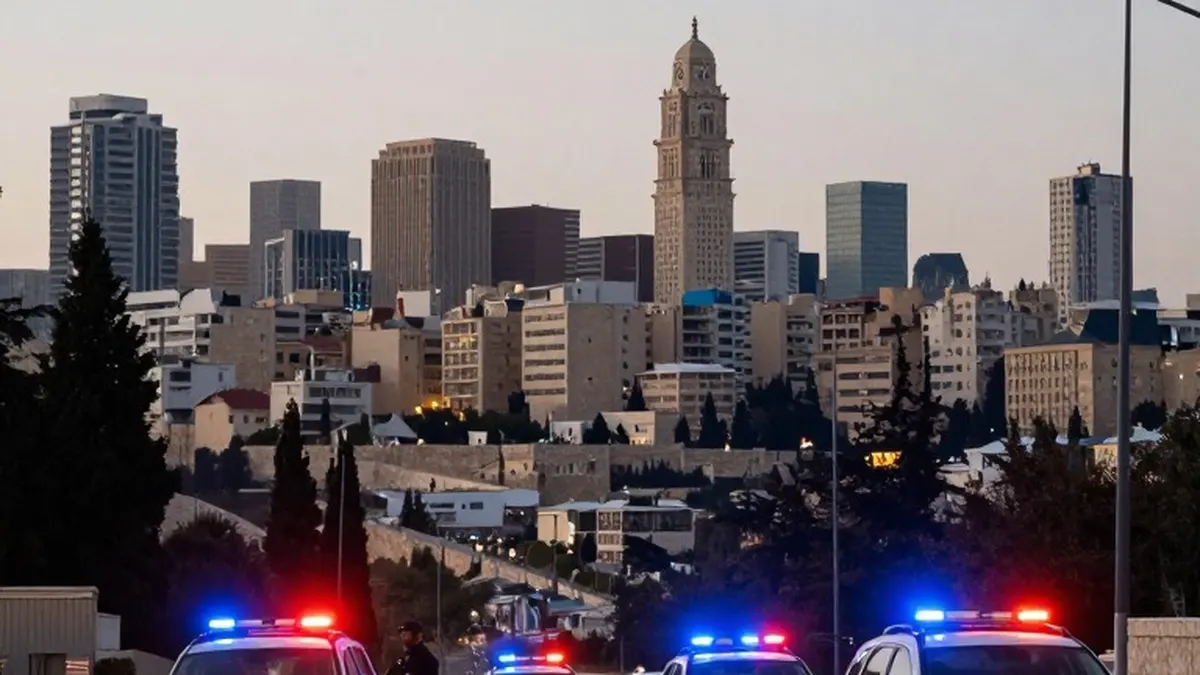
Islamic State has intensified its efforts to attack Israel since Hamas's October 7, 2023 invasion, attempting more plots in the period since the massacre than in the preceding nine and a half years combined, according to an analysis released on Thursday by Aaron Zelin, the Gloria and Ken Levy Senior Fellow at the Washington Institute for Near East Policy.
Zelin built a database of publicly reported IS-linked arrests by Israeli forces going back to 2014. His research found that the IDF, Shin Bet (Israel Security Agency) and other security agencies have foiled significantly more Islamic State plots over the past three years. In the nearly ten years before October 7, 2023, Israeli forces conducted 50 IS-related arrest operations, while another 46 have taken place since the massacre.
The escalation goes beyond the number of attempted attacks, Zelin argued. The sophistication of the plots has also grown. Before the war, foreign fighters typically traveled to Syria or concentrated on spreading propaganda online, and there were only 18 actual or attempted attacks on foreign soil. Since October 7, the group has attempted 28 attacks, nearly all of which failed. The plots have also more often involved direct ties to Islamic State rather than lone-wolf sympathizers acting alone.
In one case from late December 2023, Israeli forces arrested two men, ages 19 and 20, in east Jerusalem's Ras al-Amud neighborhood. Investigators said the pair held chemicals for producing explosives, a notebook with bomb-making instructions and an Islamic State flag, and had allegedly planned to load a truck with gas canisters and blow it up near the Knesset. Zelin suggested the plot drew little notice because public attention in recent years has centered on Hamas and Iran's regional axis.
Other cases include a four-man cell near Hebron, led by a man in contact with Islamic State operatives abroad, that produced roughly 100 explosive devices meant for use against Israeli soldiers. In the Arab Israeli town of Tayibe, near Kfar Saba, five men discussed the quantity of explosives required to topple Tel Aviv's Azrieli Towers and plotted a car bombing at the mall below them. In April 2024, an Islamic State-inspired Palestinian terrorist, Ahmed Dawabsha, murdered 14-year-old Benjamin Achimeir in the West Bank.
Zelin framed the shift as part of a wider Islamic State campaign to persuade Palestinians to abandon Hamas in its favor. In January 2024, IS spokesman Abu Hudhayfa al-Ansari called on Palestinians to turn against Hamas, which the group regards as apostate and an Iranian proxy, and to fight "the Jews because they are Jews." He also urged supporters to kill Jews and Christians "in the streets and alleyways" of the West. Zelin wrote that the group seeks first to strike Israel's "protectors," meaning regional states hosting US bases and Jewish communities abroad, citing a September 2025 newsletter article claiming Arab states were guarding Israel's borders and making crossings difficult.
Although the group has largely failed to execute attacks inside Israel, it has inspired deadly violence there before. In 2022, two Arab Israeli terrorists who had pledged allegiance to ISIS shot and killed two 19-year-old Border Police officers, Yazan Fallah and Shirel Aboukaret, and wounded 12 others.
Many suspects in the recent plots were teenagers radicalized online, but in more than a third of the cases they had been in direct contact with Islamic State members abroad or were trying to reach them. In 2025, three residents of the northern Arab town of Arara contacted an IS operative in Syria through TikTok and received manuals and videos on building a bomb and detonator, while a separate cell in east Jerusalem's Sur Baher neighborhood communicated with operatives in the West Bank and Syria and planned to travel to Syria for bomb-making training. In response, Israel has broadened its campaign against Islamic State networks beyond its own territory, making arrests in nighttime raids and carrying out strikes in Syria.
Source: The Jerusalem Post