US Supreme Court declines to pause Biden-era immigration rule dispute
The high court rejected an emergency bid by Baltimore, Columbus, and New Haven to intervene in a case where Texas and the Trump administration blocked a deportation pause.
By Kavya Robinson ·
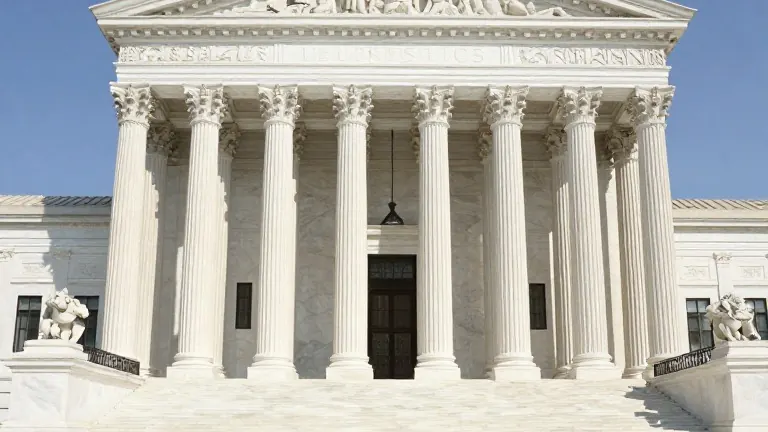
The US Supreme Court on Tuesday declined to step into a legal battle over a Biden-era immigration regulation that allowed judges to pause certain deportation proceedings. The decision leaves in place a lower court order that blocked the rule after Texas filed a lawsuit against it.
The dispute centers on administrative closing, a practice that permits immigration judges to temporarily halt removal processes. Texas argued that the administration of Joe Biden drastically expanded this tool, effectively allowing many individuals to remain in the country indefinitely. The state joined the Trump government in accepting a judicial order that suspended the regulation.
In response, the cities of Baltimore, Columbus, Ohio, and New Haven, Connecticut, sought to join the case to defend the rule. These municipalities, along with the legal group Centro Legal de la Raza, had previously requested permission to intervene after a lower court judge denied them entry. They filed an emergency appeal with the Supreme Court, claiming the rule was used to assist crime victims and unaccompanied minors.
Represented by the organization Democracy Forward, the cities argued that Texas and the Trump administration worked together to block the regulation permanently. They contended this process bypassed standard public rulemaking procedures. The Justice Department advised the justices to deny the appeal, stating the cities lacked legal standing to challenge the agreement and failed to prove they would suffer immediate legal harm.
With the high court's refusal to intervene, the block on the administrative closing rule remains active. The cities and their legal partners are left to continue their legal efforts in lower courts to restore the practice. No immediate further action is scheduled by the Supreme Court regarding this specific immigration dispute.
Source: Pioneer Press