Lubinets says direct talks with Russia are needed to bring Ukrainians home
Ukraine's human rights commissioner defended his diplomatic approach to his Russian counterpart while outlining discussions on further humanitarian missions in Kherson Oblast.
By Kavya Robinson ·
Ukrainian Human Rights Commissioner Dmytro Lubinets said on 2 November that keeping his emotions out of negotiations with Russia was necessary to secure results for Ukrainian citizens. Speaking at a press conference, he described direct discussions with his Russian counterpart, Yana Lantratova, as the only way he knew to bring citizens back.
Asked about his diplomatic manner towards Lantratova, Lubinets said courteous conduct improved the prospects of a positive outcome. He presented that approach as part of his responsibility to Ukrainians, explaining that his personal feelings towards Russia were shared by most Ukrainians but could not be allowed to determine how he conducted negotiations.
"I don't know of any other way to bring back our citizens than through direct negotiations with the Russian side," Lubinets said. He added that allowing emotions to influence his work would undermine the results of those talks. His explanation focused on the practical purpose of maintaining communication with the Russian side.
Lubinets said his first meeting with Lantratova took place five days after her appointment and that he raised the situation in Oleshky at that meeting. He also defended their use of respectful forms of address. When negotiations produced results and Lantratova addressed him as Dmytro Valeriiovych, he said, he saw no difficulty in addressing her as Yana Valeriivna.
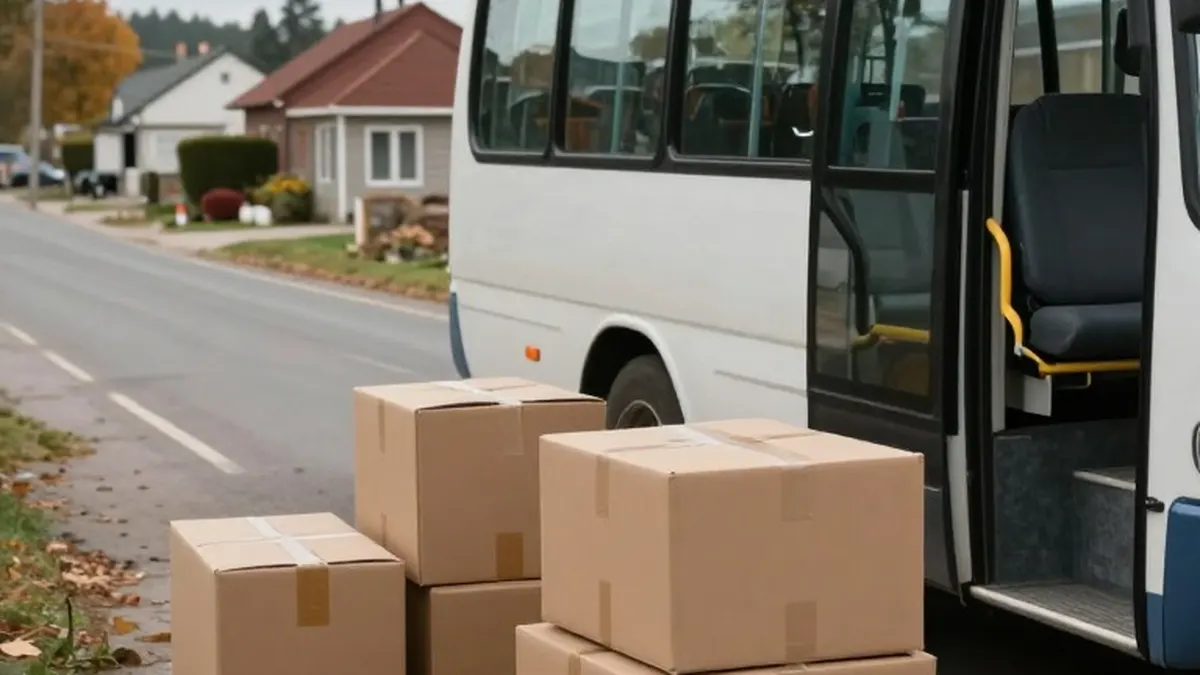
Their discussions included a possible humanitarian mission covering six settlements in Kherson Oblast. Lubinets also said they had discussed potential humanitarian missions in the Oleshky hromada and expressed hope that the approach could eventually be extended to other areas. He said the two commissioners had developed joint proposals and initiatives concerning humanitarian issues.
Discussing the humanitarian mission in Oleshky, Lubinets said Russian occupation forces had not put civilians through filtration procedures during the operation. His remarks accompanied the account of talks about possible further missions and the prospects for applying the same approach elsewhere.
Lubinets had previously said he and Lantratova agreed to ask the US First Lady to help expand the practice used in Oleshky to other settlements facing difficult conditions. That agreement concerned extending humanitarian missions beyond the location of the earlier operation.
US First Lady Melania Trump said nearly 800 people had been evacuated in the Oleshky humanitarian mission. According to her account, the operation in the Kherson Oblast settlement took place during a ceasefire.
Source: Ukrainska Pravda