Trump signals potential Iran deal ahead of US midterms
Diplomatic efforts between Washington and Tehran intensified on Monday, with both sides indicating progress toward a settlement as oil prices fell.
By Kavya Robinson ·
US President Donald Trump indicated on Monday that a formal agreement with Iran is possible, describing ongoing negotiations as intensive. This diplomatic push comes on the eve of the US midterm elections, where public dissatisfaction with the ongoing conflict and rising fuel costs has become a significant factor for the Republican party.
In a post on his Truth Social platform, Trump stated that a deal could happen and noted that Iran desires a settlement as quickly as possible. Vice President JD Vance expressed similar optimism, telling reporters that both he and the President believe further progress can be made in the coming days.
Iranian Foreign Minister Abbas Araghchi confirmed that indirect talks are currently underway with the assistance of mediators. He highlighted the active roles of Qatar and Pakistan in facilitating these discussions. Araghchi described the consultations as very intensive given the gravity of the situation, while also noting that China has urged a return to the negotiating table.
According to reports from Axios, Vice President Vance sent a letter to Mohsen Rezaei, the Secretary of the Supreme National Security Council, regarding potential new talks. This move marks the highest level of direct engagement between the two nations in several months. Meanwhile, Iran's security chief discussed the conflict by telephone with Russian President Vladimir Putin.
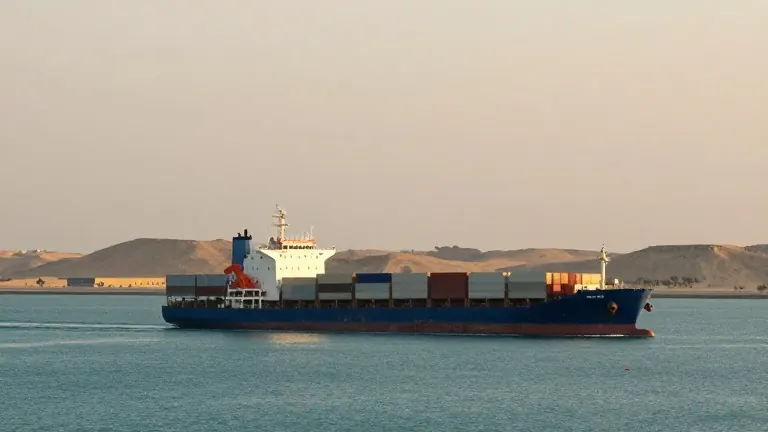
Market reactions reflected the diplomatic momentum, with oil prices dropping more than six percent on Monday. The decline was driven by optimism that steps are being taken to halt the eight-month-old conflict, which had previously seen prices skyrocket due to Iran's blockade of the Strait of Hormuz.
Tehran has outlined specific conditions for reopening the energy corridor. A senior Iranian official stated that the strait could be opened within two days if Washington accepts a list of demands. These demands include ending the war on all fronts, unfreezing Iranian assets, lifting oil sanctions, and ending the US counter-blockade of Iranian ports.
Foreign ministry spokesperson Esmaeil Baghaei emphasized that the possibility of a rapid implementation plan demonstrates Iran's good-faith approach. However, he stressed that everything depends on the US side accepting these conditions before subsequent stages of the process can be discussed. Iran's First Vice President, Mohammad Reza Aref, framed the recent US messages as an acknowledgment of Iranian victory in the previous two conflicts.
International involvement has also increased, with Chinese President Xi Jinping holding discussions with Omani Sultan Haitham bin Tariq in Beijing. The two sides called for resolving disputes through political and diplomatic means. China also met with Iranian and Saudi officials, with Foreign Minister Wang Yi stating that Beijing supports Tehran in safeguarding its sovereignty.
Despite the diplomatic progress, Trump maintained a firm stance at a campaign rally, warning that the US would eventually have to give Iran a strong response. He mentioned that one or two targets, including the suspected nuclear site at Pickaxe Mountain, still need to be addressed. Iranian officials warned that any military aggression would be met with a powerful and comprehensive response.
The diplomatic environment remains complex as American and Israeli threats to Iran had increased in the lead-up to the midterms and recent Israeli elections. In those elections, Prime Minister Benjamin Netanyahu failed to secure a majority. The current negotiations aim to prevent a return to war while addressing the economic and political pressures facing both nations.
Source: France 24