President calls for AI data centers to share energy profits with neighbors
The administration seeks to ease local tensions by requiring large-scale computing facilities to return excess power and financial benefits to the communities they impact.
By Jian Chen ·
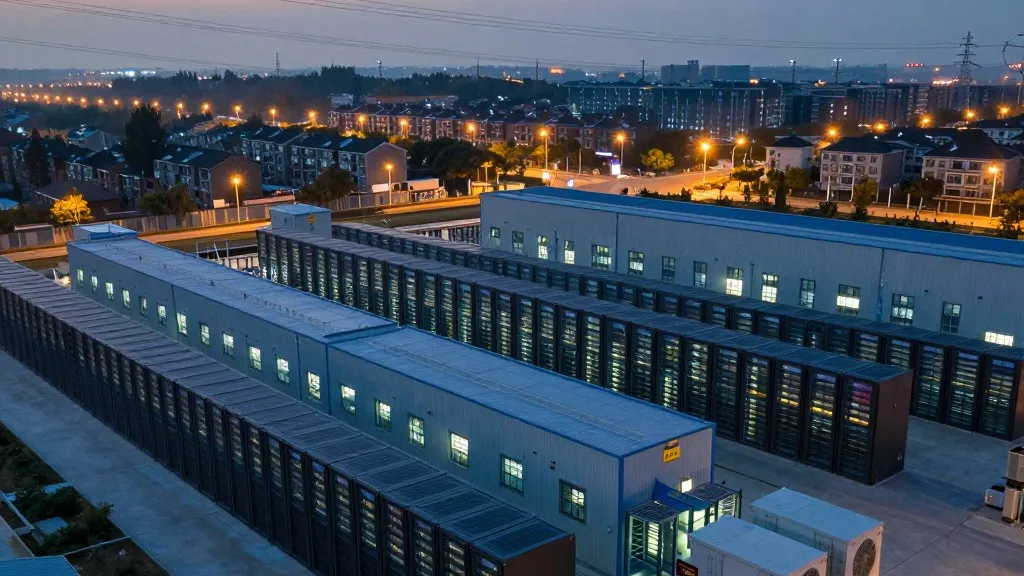
President Donald Trump has directed major data center developers and artificial intelligence hyperscalers to establish a system of local dividends. The move aims to mitigate rising energy costs and improve public sentiment toward these large-scale facilities. By requiring companies to return a portion of their energy output or financial gains to nearby residents, the administration hopes to make the presence of data centers more acceptable to the general public.
In a statement posted to Truth Social, the President outlined a mandate that goes beyond previous requirements for these facilities to generate their own electricity. He emphasized that data centers must either give or sell their excess power back to the local community. This strategic shift is designed to counteract the price hikes often associated with high energy consumption, potentially stabilizing or even lowering utility rates for surrounding households.
The initiative responds to widespread protests across the United States, where small communities have voiced significant concerns regarding the outsized impact of AI infrastructure. Residents have frequently cited issues such as increased electricity bills, noise pollution, water shortages, and air quality degradation. These local grievances have made the construction of new data centers a contentious issue in many regions, prompting the administration to seek solutions that balance technological advancement with community welfare.
The Trump administration remains focused on maintaining a competitive edge against China in the global AI race. To achieve this, officials are looking for ways to win back local favor by ensuring that the companies driving this growth contribute tangible benefits to the areas they occupy. The proposed dividend could take the form of partial reimbursements for rising electricity costs, directly addressing a key pain point for homes located in the vicinity of these energy-intensive sites.
This policy builds on a recently passed act that requires data centers to cover the costs of necessary grid upgrades. Previously, these expenses were often absorbed by local tax bases. By forcing companies to shoulder these infrastructure costs and provide energy dividends, the administration aims to create a more equitable financial arrangement. The President noted that data centers, which were previously unpopular in certain areas, have become popular once a financial deal was struck, urging stakeholders to "MAKE DEALS, and get them built!!!"
However, open questions remain regarding the practical implementation of this mandate. Critics point out that the term "dividend" is unusual for companies that are often not yet profitable, as new data center builds require significant capital to recoup construction costs. Additionally, the primary short-term power generation method for these facilities often involves gas-powered generators, which can be noisy and inefficient. This raises concerns that the local benefit might be offset by the immediate environmental and auditory impacts of the generation equipment.
While the economic aspect of the proposal addresses rising utility costs, it does not resolve other significant challenges. Issues such as enormous water consumption, ecological damage, and general pollution remain major obstacles to community acceptance. The administration’s approach suggests that financial compensation may be a necessary, but perhaps insufficient, tool to overcome the broader environmental and social hurdles associated with the rapid expansion of AI infrastructure.
Source: Tom's Hardware