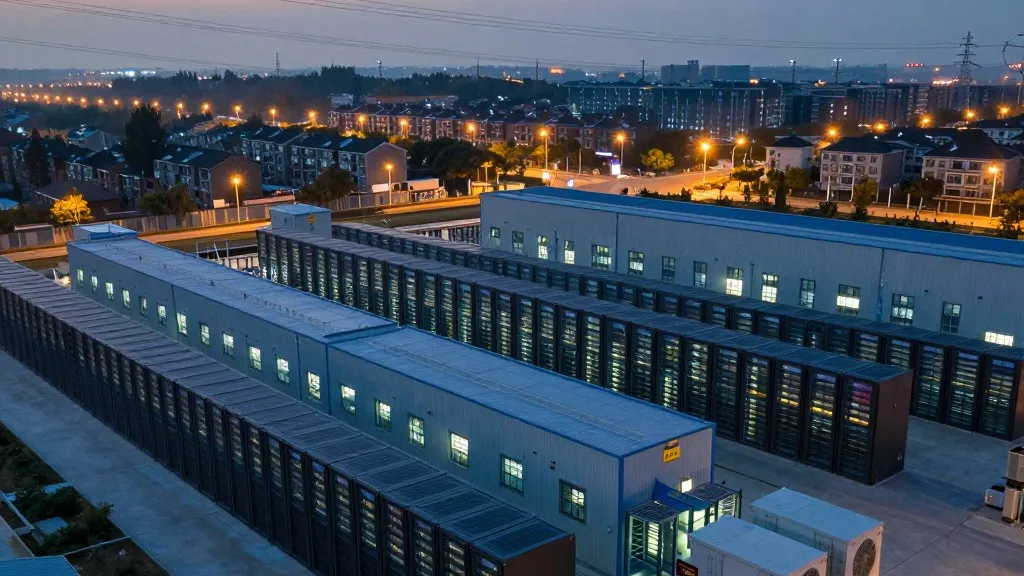
Amazon Retreats From Loudoun Data Center Plans Amid Local Pushback
The tech giant will convert 122 acres of former university land into homes and a community arts center instead of four new AI facilities.
By Aiko Yamamoto ·
122 acres. That is the total footprint of the former George Washington University campus in Loudoun County that Amazon will no longer develop into four new data centers. Instead, the company has agreed to repurpose the majority of the site for mixed-use and residential development, marking a significant shift in strategy following intense scrutiny from local residents. This decision concludes a brief but contentious period during which the tech giant sought to expand its artificial intelligence infrastructure in one of the most densely populated technology corridors in the world.
The timeline of this reversal began in July, when Amazon first submitted its proposal to build the facilities on the land. By September, the tension had reached a boiling point, prompting a meeting between Amazon executives and Loudoun County Board of Supervisors Chair Phyllis J. Randall. During these discussions, county officials conveyed that the community might prefer an alternative use for the property, leading to the current agreement.
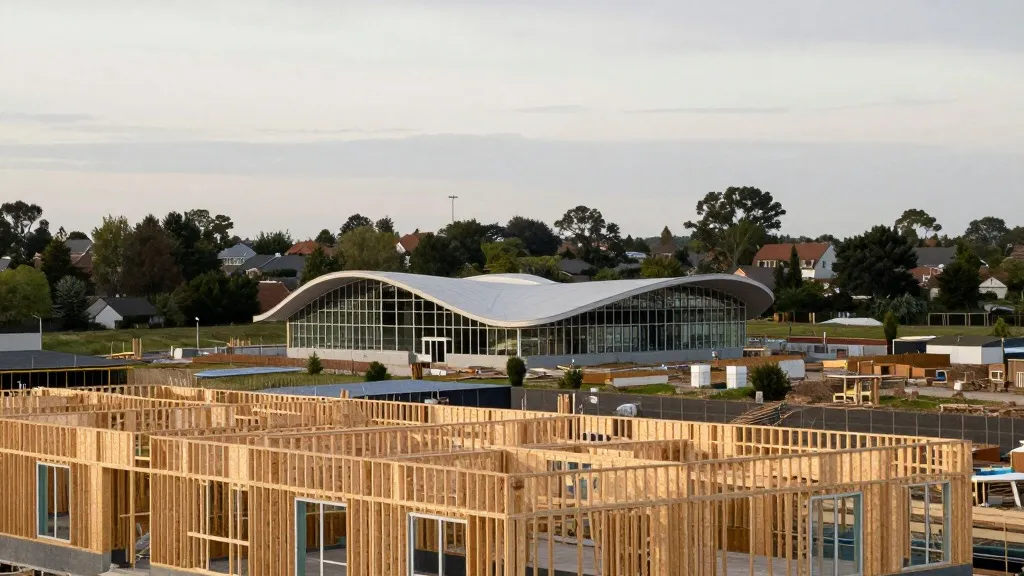
Under the new terms, Amazon will donate 25 acres of the property to Loudoun County. This land is designated for the construction of a community arts center and a new recreational facility. Additionally, the company will contribute $5 million to the county’s housing fund, aiming to address local concerns about affordable living spaces. These concessions represent a substantial departure from the original plan, which focused almost exclusively on high-density computing infrastructure.
Josh Weissman, Amazon’s vice president in charge of data center development, explained that the company initially saw the former university campus as a prime opportunity. However, he acknowledged that Amazon considered the county’s “pointed concerns about data center development at this particular site.” Weissman noted that while the company viewed the property’s legal development potential differently than the county did, they concluded that “the best outcome for all is to come together on a shared vision for this campus rather than engage in costly litigation.”
The decision occurs against a backdrop of surging demand for data center capacity driven by the rapid adoption of AI services. While cloud storage needs have historically driven construction, the recent AI boom has accelerated the need for larger, more powerful facilities. This surge has triggered opposition in various communities, with residents citing noise, water usage, and electricity price spikes as primary concerns.
Loudoun County, often referred to as “Data Center Alley,” already hosts the largest concentration of data centers on the planet. This density has led to a shift in local policy, with officials becoming more cautious about approving new buildouts. The county’s approach has evolved to prioritize dialogue over confrontation, a strategy that appears to have yielded results in this specific case.
Looking ahead, the site will transform into a hub for residential and community use. Board Chair Randall stated that “By choosing dialogue over reflexive disagreement, Loudoun County and Amazon created an opportunity for the County.” She emphasized that the agreement provides “new places for our Loudoun residents to gather, create, and play,” with a particular focus on providing “more attainable homes for working families.”
This resolution highlights the growing friction between tech infrastructure needs and local quality of life. As AI demand continues to rise, developers and local governments are increasingly negotiating complex trade-offs. For Loudoun County, the outcome ensures that the former campus serves the immediate needs of its residents, while for Amazon, it allows the company to maintain a presence in the region without the friction of potential litigation.
Source: Tom's Hardware