Rising electricity bills give Democrats a campaign opening, advocates say
Utility costs and opposition to datacenters are shaping races in Ohio, Michigan and Arizona as Democrats seek to regain control of Congress.
By Liam Kaminski ·
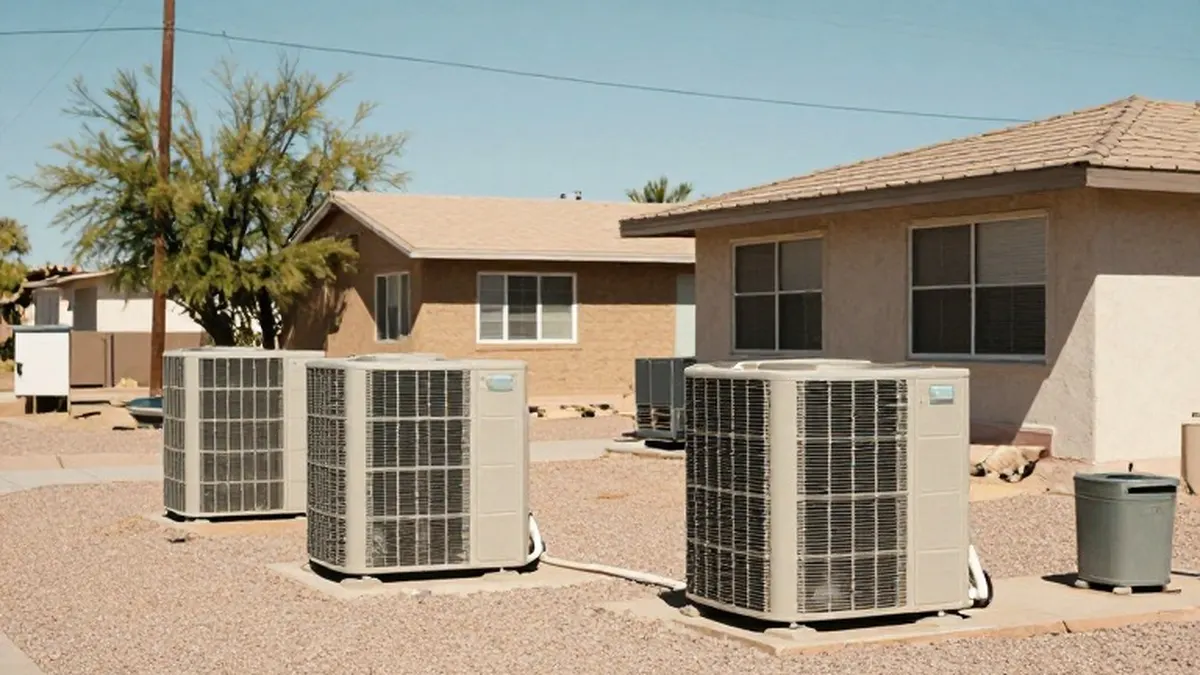
Higher electricity bills are becoming a prominent issue in November’s midterm elections, with clean energy and consumer advocates arguing that pressure on household budgets could help Democrats regain Congress. In Arizona, Climate Power state director Diali Avila saw her monthly bill reach a personal high of $400 during the state’s hottest summer on record, underscoring the cost of cooling homes where extreme heat can be deadly.
Federal figures show average national electricity prices have risen about 10% over two years. A recent Pew survey found 74% of Americans were very concerned about gas and energy prices, while polling by left-leaning Hart Research placed utility bills among battleground voters’ three leading midterm issues. Charles Hua, founder and executive director of the non-partisan nonprofit PowerLines, said electricity costs could become a leading national campaign concern.
Hua identified growing datacenter demand, ageing infrastructure, damage from climate emergencies and the war in Ukraine as pressures pushing electricity bills higher. Geoffrey Henderson, who has researched election messaging on climate and energy, said the rapid advancement of datacenter proposals and local resistance had brought additional attention to utility costs within the wider affordability debate.
In Ohio, Democratic Senate candidate Sherrod Brown has linked Republican incumbent Jon Husted’s support for datacenters to rising bills. The state ranks fourth nationally for its number of datacenters, and electricity rates have climbed 34% since 2022. An Ohio Northern University poll found 55% of residents opposed datacenter construction and 79% expected it to increase water and electricity costs. Husted served as lieutenant governor under an administration offering the industry tax breaks. In July, he introduced legislation intended to shield ratepayers from datacenter costs, but Senate Democrats blocked it as inadequate.
Ohio’s gubernatorial candidates, Democrat Amy Acton and Republican Vivek Ramaswamy, both support pausing new datacenters until new regulations take effect. Acton has challenged Ramaswamy’s investments related to the industry; he says he would divest if elected. Her campaign says she sold her individual stocks earlier this year to avoid conflicts, including holdings tied to datacenters. Acton also pledges utility commissioners focused on reducing consumer costs.
In Michigan’s Senate race, Democrat Abdul El-Sayed has criticized opponent Mike Rogers for taking donations from DTE Energy, which faces criticism over rate increases and frequent outages while signing datacenter contracts. El-Sayed supports a statewide ballot proposal barring regulated utilities from political contributions; Rogers has announced no position. A separate Ann Arbor measure would replace DTE with a public utility, despite opposition from the mayor and city council.
In Arizona’s sixth congressional district, advocacy advertisements target Republican incumbent Juan Ciscomani over his vote for the One Big Beautiful Act. They say it would reduce clean energy production and raise annual utility bills by more than $200, citing an estimate from the left-leaning Center for American Progress. Democratic challenger JoAnna Mendoza supports clean energy investment. In October, the Cook Political Report moved the race from toss-up to leaning Democratic.
Ciscomani had urged Republican leaders to retain some Biden-era clean energy tax credits before voting for legislation phasing them out. He defended compromises he said would soften the impact on wind and solar. Hundreds of workers have since lost jobs at an electric vehicle factory in his district, and several Arizona clean energy projects have been cancelled.
Avila also sees an opportunity in Arizona’s utility commission election, with two of five seats contested. Republicans currently hold every seat and have controlled the board for decades. She said those races could offer a more immediate route to lowering bills.
Source: The Guardian