Pakistan finalizes Mecca defense pact with Saudi Arabia and Turkey
The tri-nation agreement moves toward implementation as Saudi Arabia faces renewed Houthi strikes and regional tensions rise.
By Arjun Wojcik ·
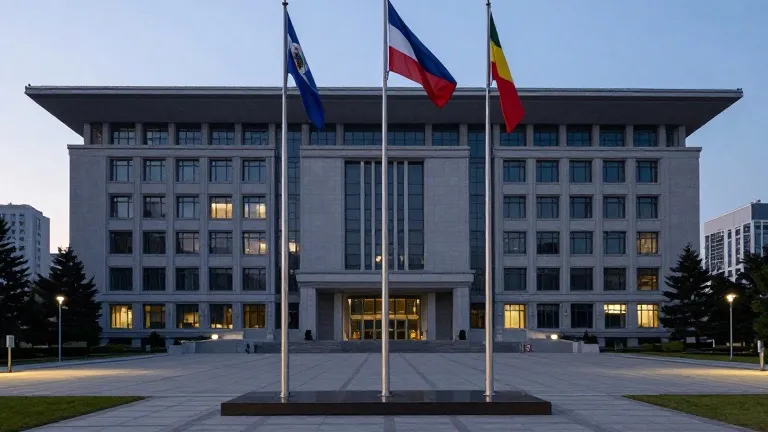
A new security architecture is taking shape in the Middle East as Pakistan completed its domestic ratification of a joint defense pact with Saudi Arabia and Turkey. Foreign Office spokesperson Sajjad Haider Khan confirmed on Friday that Islamabad has finished the necessary legal procedures for the Mecca Joint Defence Agreement. This brings one of the three signatories to full compliance while Turkey continues its own internal approval process.
The pact was signed on 7 August in Mecca by Pakistani Prime Minister Shehbaz Sharif, Saudi Crown Prince Mohammed bin Salman, and Turkish President Recep Tayyip Erdogan. The agreement mandates collective defense if any of the three nations faces an external armed attack. Islamabad described the framework as strictly defensive and aligned with the United Nations Charter. The specific nature and level of military assistance will be determined by the circumstances of any future threat.
Implementation steps accelerated following a meeting of the Strategic Political and Defence Committee on 5 October. Participants agreed to deploy military forces and capabilities rapidly to Saudi Arabia, subject to each country's domestic laws. This move signaled a shift from diplomatic signing to operational readiness among the three allies.
The announcement coincides with heightened security alerts in Saudi Arabia. Civil Defence officials warned residents in the southwestern cities of Abha and Khamis Mushait about potential dangers earlier this week. Authorities later declared the threat had passed but advised residents to avoid gathering or filming in the affected zones. These alerts occurred alongside Houthi missile and drone attacks on the kingdom, a pattern Reuters reported was met primarily by defensive support from Riyadh's allies.
Regional observers note the timing against a backdrop of wider escalation fears. The Israeli military announced large-scale exercises for Sunday and Monday in its northern and central regions. The drills will involve air force units and rehearse scenarios for surprise attacks and infiltrations. The military stated the purpose is to test readiness against multiple fronts and prepare for potential border escalations.
Washington is also weighing its next move in the region. President Trump said on Friday that the United States might conduct another military operation against Iran as the conflict approaches its eighth month. A report from The Business Times cited US officials who said American and Israeli forces have drafted plans for fresh strikes following the US midterm elections on 3 November. Possible targets include Iranian energy infrastructure, nuclear facilities, and missile capabilities.
Source: Middle East Eye