Ohio City Uses Federal Funds To Fix Lead Paint
A $7 million grant supports remediation in Toledo, where most housing predates 1978 and toddler screening rates remain low.
By Liam Kaminski ·
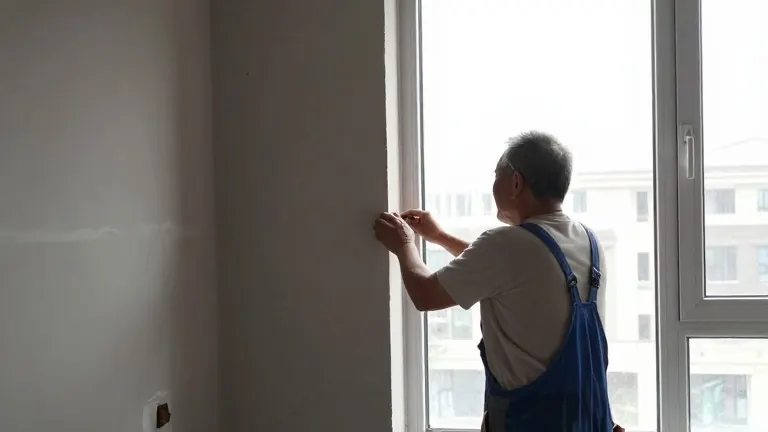
Toledo faces a housing stock that is largely older than the ban on residential lead-based paint, creating a persistent exposure risk for children. The city is using a $7 million grant from the U.S. Department of Housing and Urban Development to address these hazards. The funding targets homes where children have already shown elevated blood lead levels.
The urgency stems from local data. Monica Smith, the city's lead safe coordinator, states that 3,400 children in Lucas County have elevated blood lead levels on any given day. She notes that this daily visibility makes the issue a primary concern for local health officials.
Statewide context underscores the problem. Approximately 60% of Ohio toddlers enrolled in Medicaid do not receive the required blood lead screening tests. This statistic exists despite the state having one of the highest national risks for lead exposure.
Toledo has strengthened its regulatory approach to address the gap. In 2016, the city passed its first lead safe ordinance, which required lead inspections for specific rental properties and home daycares built before 1978. A newer iteration of the law, effective last year, includes a plan for the city to take non-compliant landlords to court.
Smith reports that this enforcement strategy has yielded results. She says the city has referred several hundred individuals to housing court. She observes that a substantial number of those referred comply with the requirements once involved in the legal process.
Jerry Culkowski, the city's lead grant program manager, explains that the federal grant assists families who cannot afford repairs. His team prioritizes homes where children have elevated blood levels. He notes that limited workforce capacity remains a challenge in completing the necessary work.
The Toledo Lead Resource Center helps address the labor shortage. Candace Buckley, the organization's executive director, states that the center offers training for lead abatement workers, risk assessors, repairmen, and painters. Buckley describes the local housing stock as being in high need of repair, making workforce development essential for progress.
Culkowski acknowledges that the current efforts represent a partial solution. He states that while the city tries to make a difference, it is currently only addressing a small fraction of the total problem.
Source: WVXU