Ten years after the Rif uprising, Morocco's protest leaders remain jailed and demands go unmet
A decade after the death of a fishmonger in Al Hoceima set off mass protests in northern Morocco, six prominent figures of the Hirak movement are still in prison and the region's grievances persist.
By Kavya Robinson ·
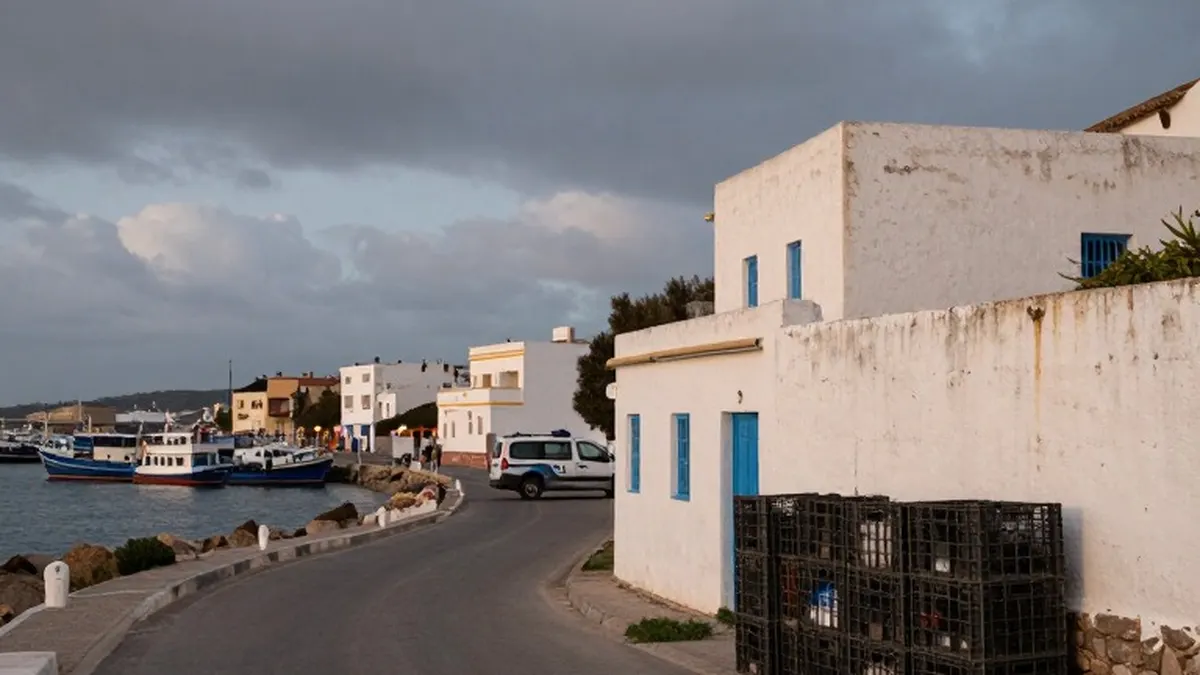
Ten years after protests erupted in Morocco's northern Rif mountains, six prominent figures of the Hirak movement remain behind bars, and many of the demands that drove people into the streets have yet to be met. The anniversary falls on Wednesday, 28 October 2026.
The movement began after fishmonger Mouhcine Fikri was crushed inside a rubbish truck in Al Hoceima on 28 October 2016 while trying to retrieve his confiscated catch. Protesters called for an end to poverty, marginalisation and underdevelopment. Among those still jailed is the movement's leader, Nasser Zefzafi, who received a 20-year sentence.
Historian Maati Monjib described the uprising as one of the most significant social movements in Morocco since King Mohammed VI took the throne in 1999. Authorities tolerated the protests for several months before a crackdown in late May 2017 led to hundreds of arrests. Officials labelled the movement separatist, which Monjib called a false accusation meant to discredit its demands. He said only a small minority of activists voiced such views, mostly in Facebook groups, and that the imprisoned leaders never did.
A turning point came on 20 July 2017, when riot police used tear gas and batons to disperse demonstrators in Al Hoceima. Twenty-two-year-old Imad el-Attabi was severely injured and died the following month, prompting solidarity protests across the country that summer.
Nabil Ahamjik, also serving 20 years, was arrested in 2017. His brother Mohamed said Nabil was driven by a rejection of "hogra", meaning humiliation and oppression. Held in Tangier after transfers between several prisons, Nabil wrote a master's thesis from his cell on the Rif's relationship with the state, earning 18 out of 20. Now a doctoral student, he staged a 10-day hunger strike last month after being denied a proper space to work on his PhD. Rights groups have denounced the arrests, alleging torture, ill-treatment in custody and violations of fair-trial standards.
The repression also reached journalists and activists abroad. Said El Amrani, a digital creator and rights activist who moved to Belgium in the 1990s, has not returned since 2016. He said at least 11 activists have been arrested on arriving in Morocco since the movement began, and one is still jailed. He also said manipulated images of his daughter were circulated online, and that the Rif remains under tight security, with at least five new police stations built since the protests.
The region has a long history of revolt and repression, from the Rif War of 1921 to 1926 against Spanish and French forces to the harsh rule of Hassan II. Jamal El Khattabi, who was arrested twice under Hassan II, described being tortured in Casablanca in 1989 before fleeing to Spain and later settling in the Netherlands. Constitutional changes after the 2011 Arab Spring formally limited the monarchy's powers, but hopes for reform faded. Reports over the past decade describe surveillance, including the Pegasus spyware, as well as defamation campaigns and unfair trials.
Last year's Gen Z protests over failing public services, unemployment and corruption were crushed within weeks, with 6,000 arrests. According to the Moroccan Association for Human Rights, around 700 people remain jailed, including dozens of minors.
Frustrations persist despite rapid economic growth and last month's election of the kingdom's first female prime minister. Youth unemployment stands at 37 percent, and this summer tens of thousands of people, many of them young Moroccans from the Rif, tried to cross into the Spanish enclave of Ceuta. The state opened a new faculty affiliated with the University of Tetouan and built a hospital, but El Amrani said it lacks enough medical staff. Monjib said the movement's core aim endures: a deep desire for dignity and equal recognition for every Moroccan.
Source: Middle East Eye