Midterm elections quiet talk on Epstein files, but legal fights continue
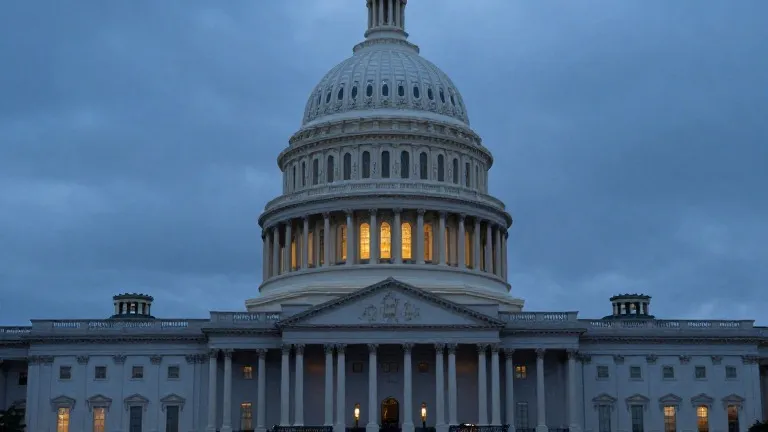
Congressional recess and campaign season have paused legislative action on the Epstein Transparency Act, yet attorneys and politicians say the issue will return when lawmakers reconvene.
By Arjun Wojcik ·
The race for the November midterms has shifted public attention toward cost of living and artificial intelligence, reducing the immediate volume of political discourse surrounding the Jeffrey Epstein files. For ordinary voters, this means the scandal is currently competing with more tangible daily concerns like gas prices and grocery costs. However, the issue is not disappearing from the political stage; it is waiting for the legislative calendar to reset.
Spencer Kuvin, a lawyer at Goldlaw who represents multiple survivors, warned that politicians might use the chaos of global events as an excuse to drop the case. He argued that justice should not be dictated by the news cycle. Kuvin urged the government to continue releasing documents that he believes were left out of previous disclosures and called on Congress to maintain its demand for accountability.
Jennifer Freeman of Marsh Law, who is litigating against the US government over its handling of the Epstein case, described the shift in focus as disappointing. She is confident the case will regain attention soon. Freeman is currently pursuing a lawsuit alleging government negligence in its decades-long failure to properly investigate Epstein. She is also part of a class action against his estate regarding the collection of child sex abuse images.
Political analysts view the current quiet period as a temporary pause. Brittany Martinez, a Republican strategist and acting director of Principles First, noted that while voters care about multiple issues, those affecting their daily lives take priority. She expects to hear less about Epstein for stretches of time but does not believe the issue will vanish entirely.
The timing of the pause is driven by the structure of Congress. Shawn Donahue, a political science professor at the University at Buffalo, explained that the house is currently in recess. This break halts floor discussions on the proposed Epstein Files Transparency Act II. This bill would add enforcement mechanisms to the current law, which advocates say are insufficient.
Donahue predicts the issue will resurface when lawmakers return, especially if Democrats win control of one or both chambers. If Democrats take the House, as current polls suggest, he expects them to immediately pressure Republicans and begin investigations on the first day of the new session.
Julie Roginsky, co-founder of the non-profit Lift Our Voices, believes the Epstein case is still influencing voter sentiment. She cited record-low approval ratings for President Trump and noted that some Republicans broke with him over the scandal. Roginsky predicted that if Democrats gain control of at least one chamber, conversations about survivors and Epstein will intensify next year.
Democratic lawmakers have vowed to keep the pressure on. Representative Teresa Leger Fernández of New Mexico stated that while voters will focus on their finances, they will not forget that President Trump was Epstein’s friend. Representative Ayanna Pressley of Massachusetts said demands for accountability would not change regardless of political noise. Pressley, Leger Fernández, and Representative Deborah Ross recently introduced legislation to address the financial burdens on survivors. Senator Ben Ray Luján of New Mexico said he would continue pushing for the full release of the files.
The White House maintains that President Trump has been totally exonerated on matters relating to Epstein. Spokeswoman Lauren Bis pointed to the release of thousands of pages of documents and cooperation with the House Oversight Committee. She claimed Trump has done more for victims than any previous president and noted that several Democrats have not explained why they sought meetings with Epstein after his conviction.
The Department of Justice states it has complied with the original law’s disclosure requirements. The department rejected claims by New Mexico Attorney General Raúl Torrez that it failed to assist the state’s investigation. DOJ officials said that protective orders in the Southern District of New York do not allow for the blanket disclosure of victim-identifying information, but the department remains available to assist New Mexico within those legal limits.
Source: The Guardian
More Politics · World news · Report a business · Got a Story?