Gaza Residents Assess Israeli Ballot Amid 65 Percent Military Occupation
With Israeli forces controlling two-thirds of the territory, displaced Palestinians in Gaza say the Tuesday vote offers little prospect of immediate relief from the siege.
By Arjun Wojcik ·
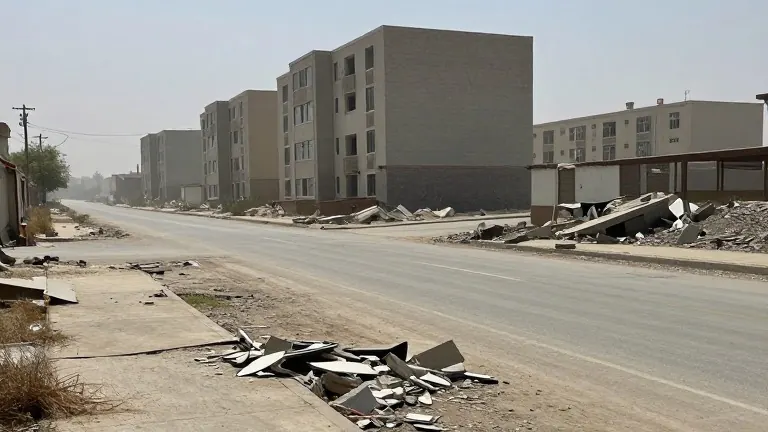
Palestinians in Gaza are preparing for the Israeli general election on Tuesday, observing the campaign with deep anxiety over their living conditions. The territory has maintained a ceasefire since October 2025, but residents report that near-daily air strikes and a tight siege continue to restrict access to basic goods. This political moment arrives against a backdrop of widespread destruction and ongoing military presence.
The campaign has been defined by the war that began after the Hamas-led attacks of October 7, 2023. Prime Minister Benjamin Netanyahu faces criticism regarding his security handling prior to that date. Members of his far-right cabinet have advocated for harsher measures in Gaza, including proposals to expel the population. These positions have intensified the scrutiny of the current leadership among Gazans.
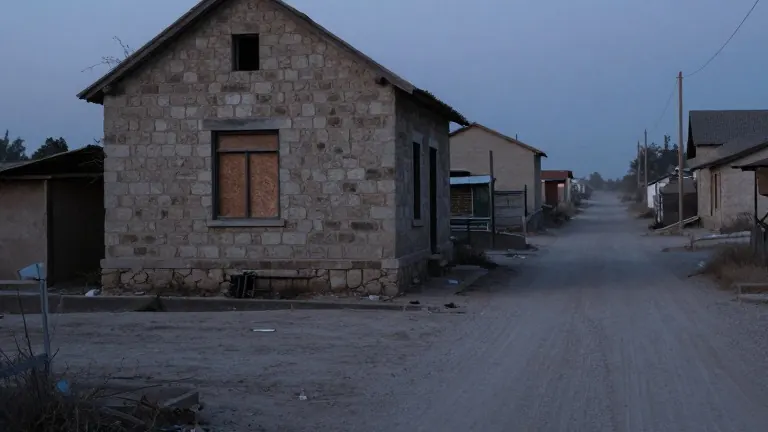
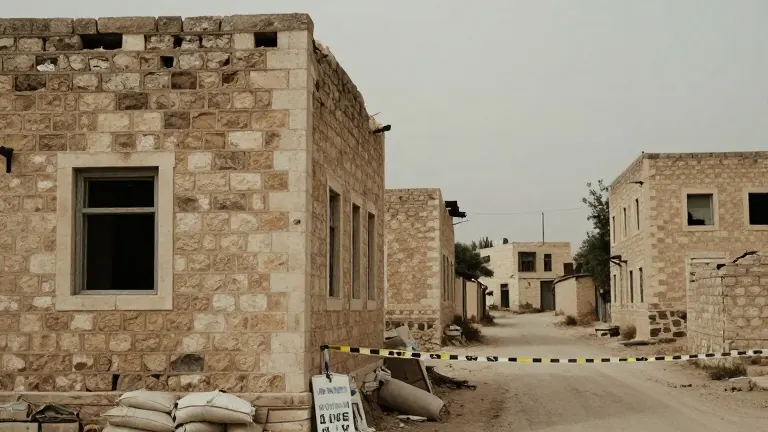
Israel currently controls approximately 65 percent of the territory inside a designated area known as the Yellow Line. Islam Salem, a father of three daughters displaced from Beit Lahiya, argues that this military reality will persist regardless of the election outcome. He points to the physical damage as evidence of the scale of the conflict, noting that more than 80 percent of buildings in Gaza have been damaged. Of those structures, about two-thirds are completely destroyed.
Salem doubts that reconstruction efforts will begin soon under any new administration. He believes the election primarily serves Israeli domestic interests rather than altering the approach to Gaza. "We live day by day," he said. "Everything we feared has already happened." His assessment reflects a common sentiment among displaced families who feel the current government’s policies have already reached a low point.
Hanan Abu al-Maaza, 57, has been displaced more than 12 times during the war. She views the election through the lens of potential return to her home in Beit Lahiya. If Netanyahu loses, she believes the chances of returning to her neighborhood improve. "We have had enough of war and destruction," she said. "There is nothing left to destroy, yet the suffering continues." Her fear is driven by the prospect of a more aggressive next government.
Mohammed Eliyan, 36, lives in Deir el-Balah with his five children after being displaced from the Jabalia refugee camp. He supports Gadi Eisenkot, a former military commander and Netanyahu's main rival. Eliyan fears that another term for Likud and its allies would lead to further displacement. "They are still our enemy, and I don't expect things to improve dramatically," he said, adding that he hopes the next leader might be "less harsh."
Manar Owaida, 23, displaced in Gaza City's Tal al-Hawa neighborhood, hopes for a change in leadership but acknowledges the consistency of Israeli policy over decades. Her primary concern is that Netanyahu might initiate a wider regional war to alleviate domestic political pressure around the vote. Mousa Ali, 33, a father of four from Beit Lahiya, emphasizes the importance of the Yellow Line in determining whether displaced people can return. He hopes Arab parties will gain enough strength to influence the next government, though he does not expect major changes to the status quo.
Residents across Gaza share a common demand for the next Israeli leader: end the war and allow people to live in safety. Mousa Ali stated, "We hope this policy will end and that a new prime minister will stop this ongoing bloodshed." The election outcome will be determined by Israeli voters on Tuesday, while Gazans continue to navigate daily life under the current military and economic constraints.
Source: Al Jazeera