Fed Expected to Hold Rates Steady in Final Meeting Before Midterm Elections
The US central bank is widely expected to pause on Wednesday, a month after its first rate increase since 2023, as inflation climbs and voters rank the economy as their top concern.
By Arjun Wojcik ·
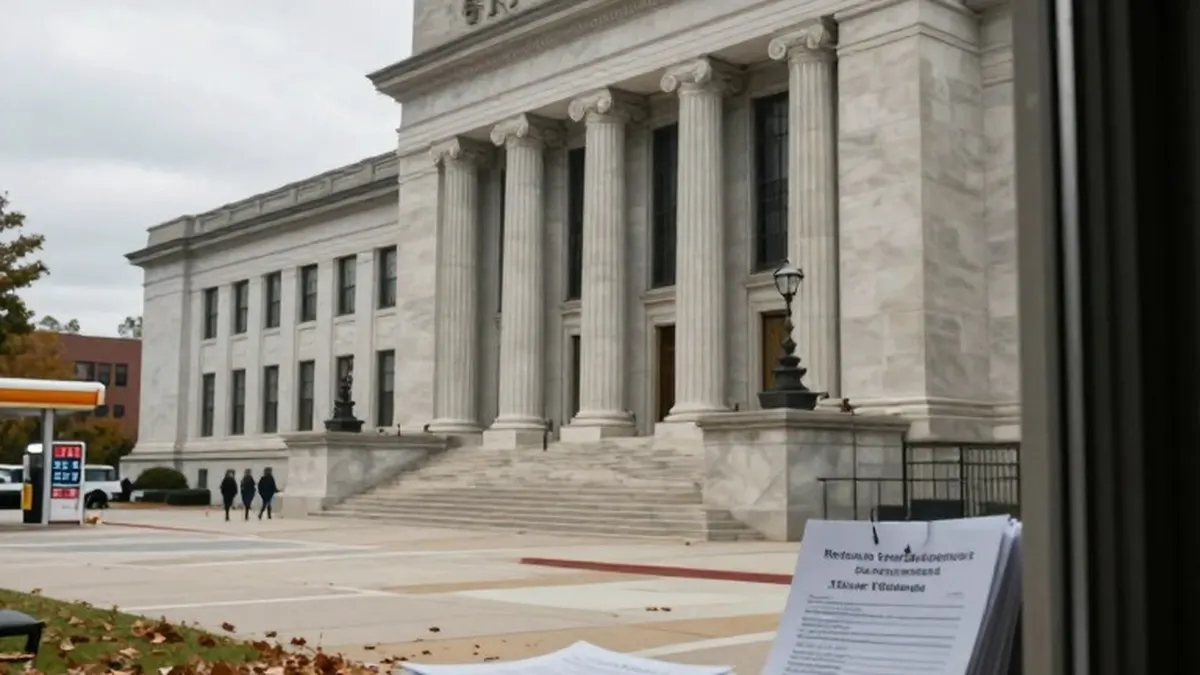
The US Federal Reserve is expected to leave interest rates unchanged on Wednesday at its last rate-setting meeting before next week's midterm elections. A pause would keep borrowing costs at one of the highest pre-election levels in more than two decades.
Last month, Fed officials raised rates for the first time since 2023, pointing to rising inflation. Prices have stayed above the central bank's 2% target for years, and the annualized inflation rate has remained above 3% for most of this year. The decision angered Donald Trump, who argued that "interest rates in the United States should be 1% or less".
Inflation accelerated again in September, climbing from 3.4% in August to 3.7%. Even so, holding steady now would suggest the central bank is taking a wait-and-see approach as voters prepare to go to the polls. Interest rates set the cost of borrowing for products such as credit cards and mortgages, and also affect some savings accounts. When inflation is high, raising rates can help slow price growth.
Several Fed leaders have indicated in recent weeks that there is room to pause, although most Fed economists still forecast one more increase before the year ends. Fed governor Christopher Waller said earlier this month: "The hikes do not need to come at consecutive meetings, but they should be in place in an acceptable period of time."
The closeness of the election also makes dramatic moves unlikely, according to Nicholas Economides, a professor of economics at the NYU Stern Business School. He said the Fed is unlikely to "take any radical action", adding that even a sharp change in course would give the economy no time to adjust before voters cast ballots.
This year's price pressures have largely stemmed from the war in the Middle East involving Iran. Oil prices have surged after the closure of the strait of Hormuz, a vital trade route. Inflation last month reached its highest level since spring, and oil briefly traded above $117 a barrel earlier this week, its highest price in more than six months.
The cost of living is expected to weigh heavily on the midterms, which will decide which party controls Congress. Polls repeatedly show the economy as voters' leading issue.
Economides cautioned that rate rises alone cannot fully tackle inflation driven by supply shocks. Higher rates work best when the economy is overheating and demand outstrips supply. "If inflation is caused by supply factors, it doesn't make sense to try to cure it by increasing interest rates because it won't work," he said. "It will slow down the economy at a time in which you don't want it to slow down."
Fed chair Kevin Warsh has argued that inflation has persisted beyond the effects of the war, and that the rate increase was intended to stop prices from rising further. At the September meeting he said the Fed cannot influence individual prices such as oil or groceries, but can ensure that changes in relative prices "don't broaden out, don't have second and third-order effects on the economy."
Source: The Guardian