Spain identifies 10 more foreign victims of train collision that killed 69
Authorities say citizens of the US, Canada and Japan are among those killed in last week’s collision near Urda, with three victims still unidentified.
By Liam Kaminski ·
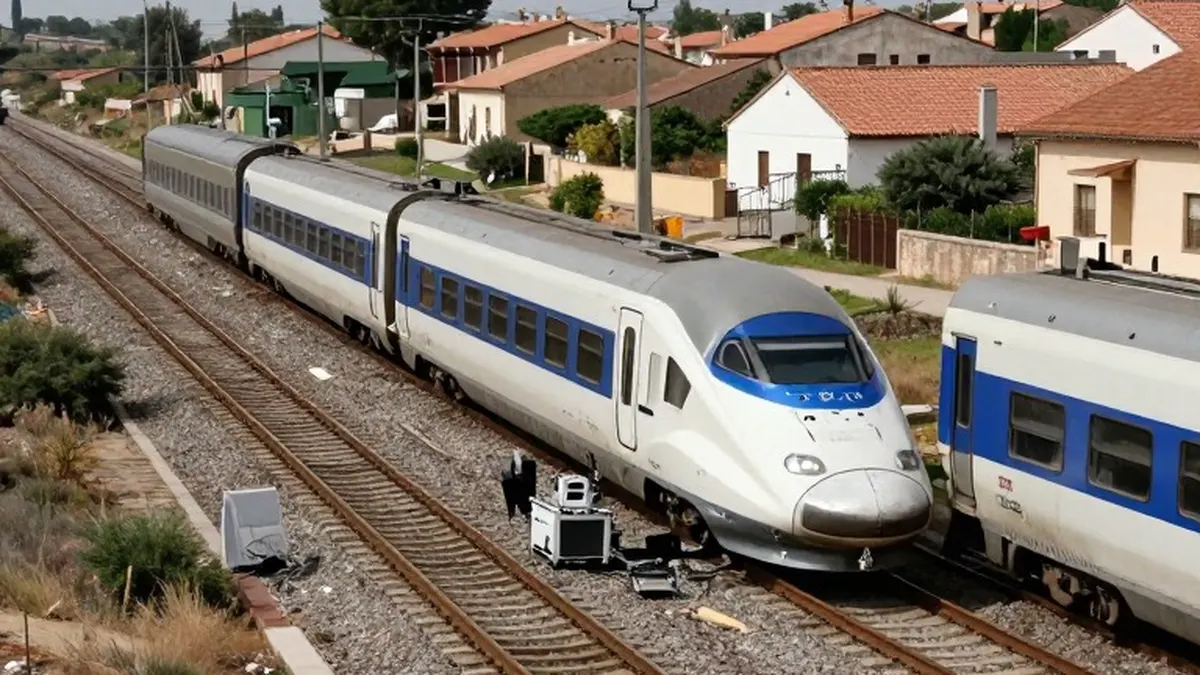
Four US citizens and six people from other countries were among the 69 people killed in last week’s high-speed train collision in Spain, authorities confirmed late on Sunday. The latest identification announcement named one victim each from Canada, Japan, Argentina, Mexico, Tunisia and the Czech Republic, alongside the four Americans.
The statement came from a legal body comprising police and forensic specialists that was established to oversee identification of the victims. It had previously confirmed that 54 Spaniards, a French citizen and a Portuguese citizen had died. Following the latest findings, all but three of those killed have been identified.
Relatives have faced a painful wait for confirmation of their loved ones’ identities after Wednesday’s disaster, one of Europe’s deadliest railway accidents this century. Forensic teams have been working to identify the dead, with some of that work involving the examination of individual body parts.
Authorities said three missing-person reports remained active, concerning two Australians and one Japanese citizen. Families who had been contacted wanted to travel to Spain to identify their relatives in person, according to the statement. Officials said they were waiting for those families to arrive in the country.
The collision happened outside Urda, a village in central Spain about 130km, or 80 miles, south of Madrid. A train operated by the state railway company Renfe struck the rear of a stationary service belonging to the Spanish operator Iryo.
An automatic safety system had failed before the crash, bringing all trains along a 63km section of track to a halt. A control centre subsequently gave the Renfe train permission to continue its journey. The Iryo train was still stationary when the Renfe service ran into it.
The disaster was Spain’s second collision involving high-speed trains this year, renewing questions about safety on the country’s railways. In January, a crash in the southern region of Andalusia killed 46 people. The latest collision added another deadly accident to that earlier toll.
The crash also occurred a month before Spain’s general election, scheduled for 29 November. Socialist leader Pedro Sánchez is seeking to extend his eight years as prime minister, with opinion polls presenting an unfavourable picture as he approaches the vote.
Source: The Guardian