Australian banks cut growth forecasts as fifth rate rise approaches
Economists expect weaker Australian growth and higher unemployment as persistent inflation, elevated oil prices and falling property values put pressure on the economy.
By Kavya Robinson ·
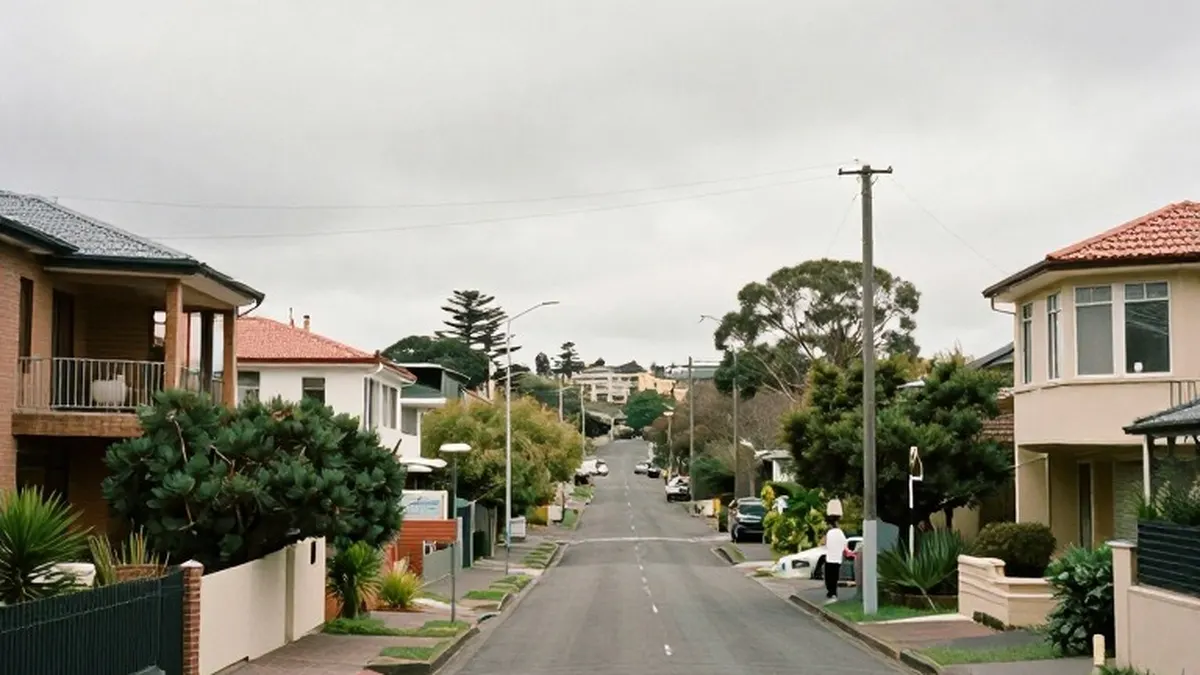
Australia faces a deeper and more prolonged economic slowdown, according to major bank economists, with stubborn inflation expected to keep interest rates elevated. The Reserve Bank of Australia is widely expected to announce a fifth rate increase on Tuesday, taking the cash rate to its highest level since 2008 and adding to concerns about a possible recession.
CBA has sharply lowered its outlook, with head of Australian economics Belinda Allen forecasting real GDP growth of just 1% by the middle of next year, compared with an earlier estimate of 1.8%. Growth through 2027 is projected to be only slightly stronger at 1.1%. Allen pointed to the continuing Middle East conflict, falling house prices and a more aggressive central bank as pressures delaying the recovery she had previously expected to emerge by the New Year.
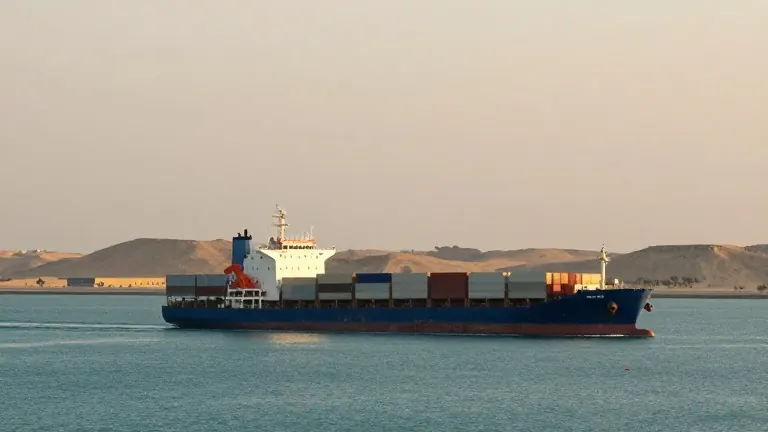
Higher oil prices were the main reason for Allen’s more pessimistic assessment. Brent crude, the global benchmark, has climbed from roughly US$72 a barrel in early July to above US$110 in recent days. The conflict has widened, and prospects for a peace agreement in the near future have largely faded, undermining earlier expectations that a resolution would allow oil prices to return to more normal levels.
NAB has also substantially downgraded its forecasts, following Jim Chalmers’s warning last month that December’s mid-year budget update would present a weaker economic outlook. Gareth Spence, NAB’s head of Australian economics, expects growth of just 1% next year and below-trend expansion across 2027 and 2028. He said unemployment might have to increase more than previously anticipated to bring inflation under control, an assessment he linked to recent remarks from senior RBA officials.
Spence forecast unemployment could climb from 4.7% to 5.4% by the end of next year, while CBA expects a lower peak of 5.1% over that period. Those projections suggest the RBA will struggle to curb inflation while preserving employment gains made after Covid. Union leaders protested outside the central bank’s Sydney offices on Monday morning against the expected increase, as Spence warned that another rise could follow.
The housing downturn is adding to the strain. AMP chief economist Shane Oliver said property prices could decline by as much as 15% before stabilising late next year. Sydney values have already fallen 10% from their recent peak. Citing RBA research, Oliver said a decline of that scale could significantly weaken spending as homeowners respond to reduced wealth. He also expected the softer property market to weigh on homebuilding.
Oliver does not regard an economic contraction as his most likely outcome, but said the recession risk was substantial and increasing. If the RBA raises rates as expected on Tuesday, he estimated that probability could reach 45%, while warning that the point at which the economy might tip into recession remained uncertain.
Source: The Guardian