India Caps Margins on 137 Cancer Drugs After Court Slams 170% Mark-Ups
New Delhi extends a trade margin cap after Supreme Court justices called hospital and retailer mark-ups on cancer medicines "extortion."
By Arjun Wojcik ·
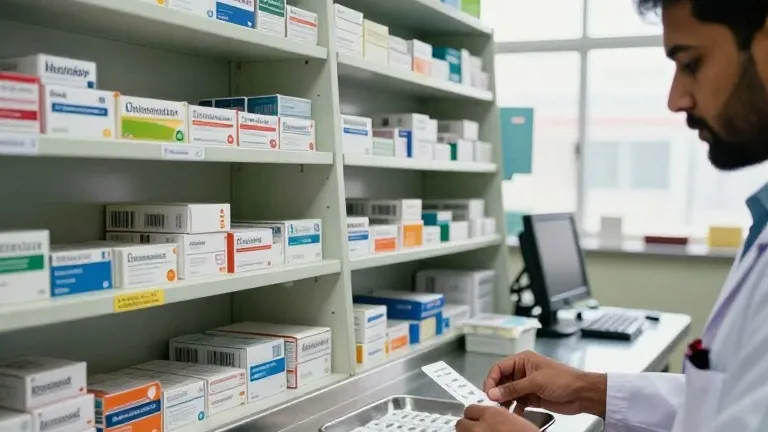
India will cap trade margins on 137 cancer medicines from next month after the Supreme Court examined mark-ups applied by hospitals and retailers and described them as "carnage" and "extortion." The Department of Pharmaceuticals said the measure is expected to cut prices by as much as 70% and save patients 2,500 crore rupees (£199m) a year. Prices currently stand at 38,000 to 380,000 rupees.
The case reached the Supreme Court from Kerala, where Sarojam Radhakrishnan, a retired bank employee, was diagnosed with breast cancer in 2021. Targeted treatments prescribed for her cost over 63,000 rupees (£500) a month, beyond her family's reach, and she petitioned the Kerala high court in 2022 to press the government to intervene. She died in September 2022 while the petition was still pending.
At a hearing on 29 September, justices Vikram Nath and Sandeep Mehta cited one cancer drug supplied to hospitals at 2,700 rupees that reached patients at 27,000 rupees. Analysis by the National Pharmaceutical Pricing Authority put average trade mark-ups on some cancer drugs at 170%, with extreme cases above 700%. A 30% cap has applied to 42 drugs for several years; the new step extends it to 137 more.
The financial pressure shapes who seeks care in the first place. Krishan Kalra, a former council member of the Rajiv Gandhi Cancer Institute and Research Centre in Gurgaon, said few people attend free diagnosis camps run by the Indian Cancer Society because they are "too scared" a finding would come with no money behind it. Studies by the Public Health Foundation of India show health spending pushes about 55 million Indians below the poverty line each year. The Ayushman Bharat scheme provides 500,000 rupees of cover per family annually, an amount equal to one dose of the breast cancer drug Kadcyla, of which patients may need up to 14.
Dr Ravi Kannan, who directs the Cachar cancer hospital and research centre in Silchar, Assam, called the decision "a welcome step" if more patients can reach the drugs they need. Jyotsna Singh, co-convener of the Working Group on Access to Medicines and Treatments, said a "total overhaul" of healthcare was needed, adding that companies and hospitals may seek legal loopholes, and that hospitals could offset lower drug prices by raising other charges.
The Supreme Court has asked government lawyers why the margin cap should cover only cancer drugs rather than all non-patented medicines, with a response due by 27 October. India records about 1.56m new cancer cases a year, up from 1.39m in 2020.
Source: The Guardian