Australia Orders Security Over Uptime as Threats Rise
The Australian Signals Directorate reported a 20% increase in incidents handled during the 2025-26 period.
By Liam Kaminski ·
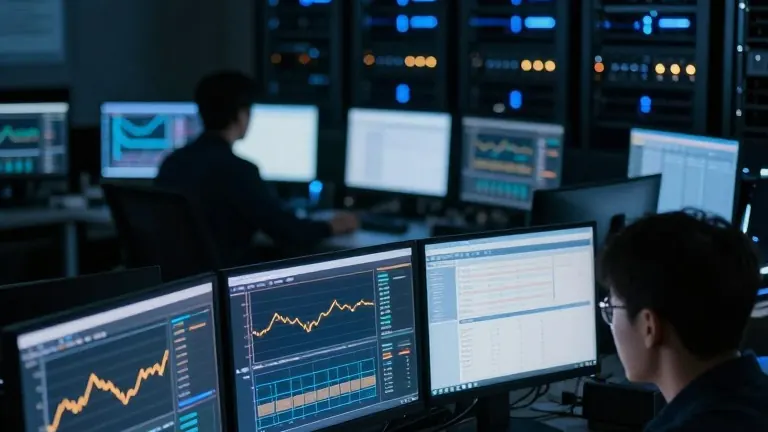
Australian banks, government portals and critical infrastructure may go offline while crews patch systems. The Australian Signals Directorate said on Monday that protecting a network now outweighs keeping it running. Security work may require temporarily disabling services.
The agency handled 1,500 cybersecurity incidents in the 2025-26 period, up 20% from the prior year. It sent alerts about more than 4,400 potentially malicious incidents to businesses, government agencies and infrastructure operators. That notification figure climbed 80%.
The report said foreign governments, criminal groups and hackers use artificial intelligence to gather intelligence, disrupt infrastructure and steal money. State-based actors repeatedly tried to breach Australian government and private networks over the past year. The agency said actors in the Indo-Pacific could be staging attacks ahead of possible future conflicts.
Director general Abigail Bradshaw said Australia must speed up work on its technology and security foundations. She called for AI tools that automate defensive tasks. Bradshaw has discussed ASD's access to Anthropic's Mythos model. Anthropic said it could not release the model publicly because it finds previously unknown flaws in IT systems.
Bradshaw identified ageing equipment as a major vulnerability, naming devices whose makers no longer issue updates. Last week, newly found weaknesses in PHP, the language that powers most websites, pushed governments and companies to patch quickly.
Defence minister Richard Marles told Australians to strengthen protections while using AI. Home affairs and cybersecurity minister Tony Burke said the government is preparing the country for threats and opportunities from new technologies. ASD urged organisations to update systems, report suspicious incidents and ask the agency for help.
Bradshaw and Marles both said security comes before keeping systems online. More services may become temporarily unavailable while organisations secure them.
Source: The Guardian